India's GDP is estimated at 7.6% in FY 2025-26, supported by resilient consumption and sustained investment, reinforcing its position as the world's fastest-growing major economy for the fourth consecutive year. Growth is expected to remain robust at around 6.9% in FY 2026-27, reflecting continued economic momentum.
India is the 2nd Largest Cement Producer in the World
~290 KG
Per Capita Cement Consumption
The Company expects India's cement industry demand to grow by around 5% in FY 2026-27, supported by sustained demand from the housing and infrastructure sectors, following a 6.5-7.5% increase in FY 2025-26. Cement demand remained robust, driven by strong construction activity, even as the evolving geopolitical situation in West Asia has introduced volatility in fuel and raw material markets. Furthermore, a reduction in GST on cement, coupled with the Government's continued emphasis on infrastructure spending, is expected to support demand momentum through FY 2026-27, despite elevated input costs arising from disruptions to global supply chains. Against this backdrop of healthy demand, leading cement companies are expanding capacities through both organic and inorganic routes to further strengthen their market positions while actively managing cost pressures from higher coal, petcoke and freight expenses, as well as the impact of a depreciating rupee on imported inputs. Per-capita cement consumption in India remains well below global averages, signalling significant headroom for growth as incomes rise and construction intensifies. With per-capita consumption roughly in the ~290 kg versus a global average near 540 kg, continued urbanisation, rising household formation and higher penetration of formal housing are expected to lift consumption per capita over the coming decade, even as the industry navigates near-term cost volatility.
|
Urbanisation and Housing Development |
Rapid urbanisation and rising housing demand continue to underpin residential and commercial construction across India, creating a durable structural tailwind for cement consumption. Government-led affordable and mid-income housing programmes are sustaining demand in urban and peri-urban markets, while large-scale housing schemes provide predictable, long-tenure offtake for the sector. Beyond housing, rising investments in warehouses, logistics parks, data centres, manufacturing facilities and commercial real estate are broadening demand drivers and supporting higher capacity utilisation. Strengthening rail, coastal shipping and port infrastructure is reducing freight costs and expanding market reach, while improved multimodal logistics enhance supply competitiveness. Sustained rural demand, supported by improving incomes and agricultural infrastructure, offers a complementary growth engine. Unlike mature markets driven largely by maintenance demand, India's cement consumption reflects structural expansion anchored in urbanisation, income growth and public investment. |
|---|---|
|
Increasing Per Capita Consumption |
India's per capita cement consumption remains significantly below global benchmarks, indicating substantial headroom for long-term growth. Despite being the world's second-largest cement producer, per capita usage is around 45%, which remains materially below the global average and 82% lower than China, underscoring untapped regional potential. Sustained GDP growth, coupled with infrastructure expansion across roads, railways and metro networks, rural housing initiatives such as PMAY-G, urban housing under PMAY-U and rising industrial and commercial capital expenditure, is expected to steadily lift consumption levels over the medium to long term. |
|
Government Infrastructure Push |
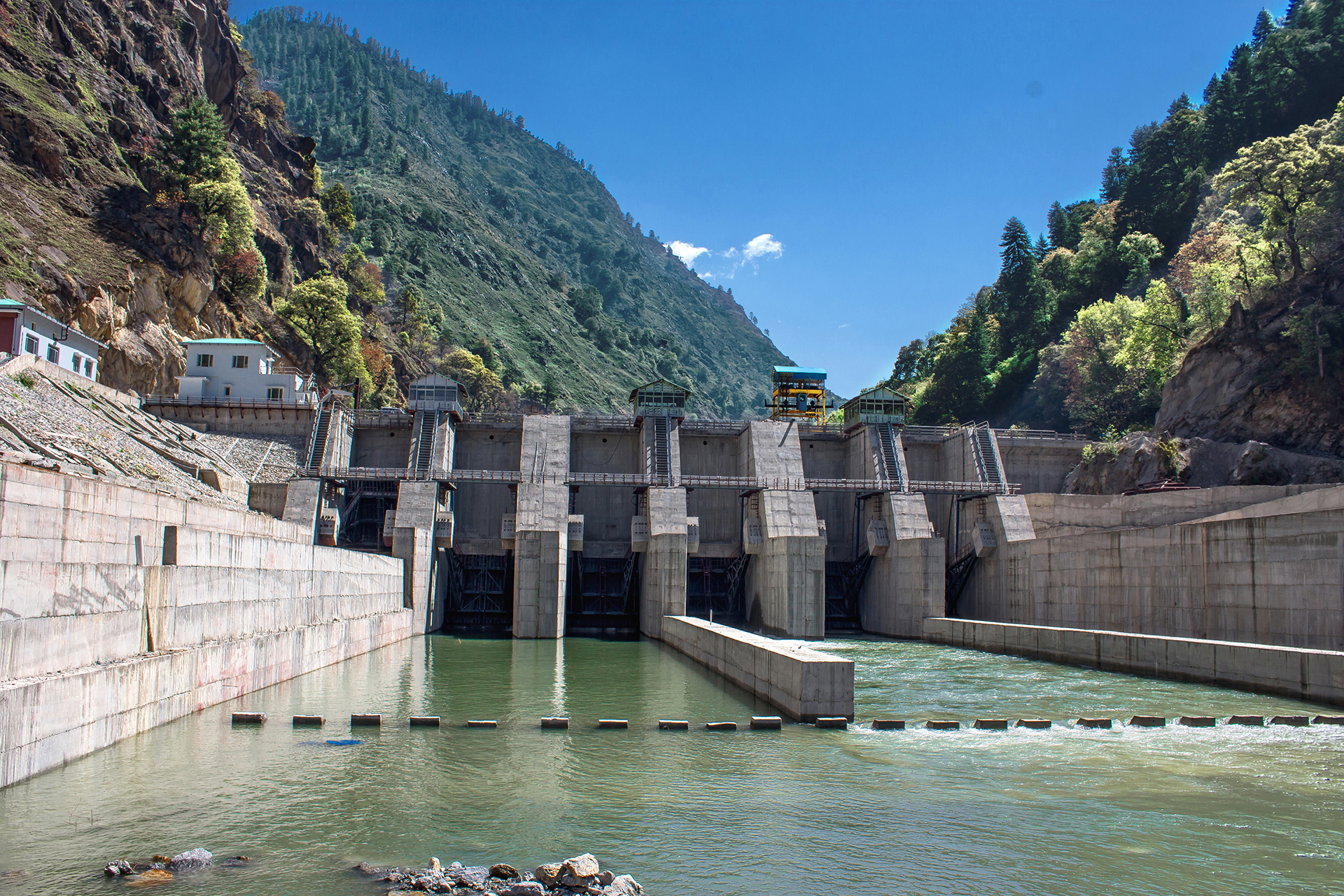
Strong public capital expenditure across highways, ports, industrial corridors, metro rail projects and regional development programmes continues to drive near-term construction momentum. Enhanced budgetary allocations have accelerated project pipelines, directly stimulating cement demand across geographies. Long-term industrial demand is further supported by structural initiatives such as the Production-Linked Incentive (PLI) scheme, Smart Cities Mission, sustained foreign direct investment inflows and the China+1 strategy, encouraging manufacturing relocation to India. The USD 2.6 trillion National Infrastructure Pipeline (NIP), reinforced by C 130 billion capex allocation in FY 2025-26, provides clear visibility for infrastructure-led growth and underpins a durable demand outlook for the cement sector. |
The operating environment during FY 2025-26 remained dynamic, with cost pressures arising from global energy markets, logistics constraints and currency movements. These pressures intensified towards the latter part of the year and are expected to continue in the near term. Accordingly, the Company has sharpened its focus on cost optimisation, operational efficiency and disciplined capital allocation.
ACC views India's infrastructure and housing opportunity as a long-term demand engine and is positioned to capitalise on it by enhancing its capacity utilisation, expanding its capacity in a phased manner, widening geographic reach and continuously improving operational performance, all while prioritising sustainability across all operations. By embedding AI and advanced technologies across its operations and the wider value chain, the Company is helping accelerate infrastructure delivery and improving efficiency, thereby strengthening its contribution to enabling faster, future-ready economic growth.
The Company is pursuing a balanced growth strategy of greenfield and brownfield expansions to strengthen market presence across the country. Capacity additions are being phased to match project pipelines and regional demand, ensuring timely offtake and efficient capital deployment.
ACC is actively working towards overcoming external cost pressures by improving fuel and freight economics, efficient logistics utilisation and plant yield through technology upgrades, modern kiln systems, vertical roller mills and wider adoption of Waste-Heat Recovery Systems. Captive power, rail sidings and freight optimisation programmes are further supporting cost competitiveness and reliable delivery.
Sustainability is integrated into production, product and power decisions, from higher use of blended cements to large-scale renewable investments and WHRS deployment. The Company is committed to measurable emission reductions, energy efficiency and green product growth, aligning climate action with commercial outcomes.