Home ESG Overview Human Capital
ACC Human Capital — Empowering People
Human Capital

Empowering
People to
Power Growth

The Adani Group's commitment to nurturing its workforce guides its people policy. We have aligned our Human Capital approach to our core values, focussing on fostering a culture of empowerment and inclusion at the workplace. We make continuous investments in technology, digitalisation and innovation to promote the welfare, well-being and sustained development of our employees. Safety and health are the key pivots of our people philosophy, which is driven by our overarching belief in the strength of our employees as the foundational pillars of organisational growth. Our efforts are geared towards providing equal opportunity to all employees, with emphasis on their holistic development in an environment of trust, transparency and care.

Material Topics

S1 Human Capital Development
S2 Diversity and Inclusion
S3 Human Rights
S4 Occupational Health & Safety

Strategic Priorities

S3 Leading in ESG Performance
S4 Delivering Superior Performance

Key Risks and Opportunities

R4 Cybersecurity Threats
R5 Health and Safety Priorities
R9 Project Execution

Stakeholders Impacted

Employees Employees
Channel Partners Channel Partners

Key Highlights of FY 2025-26

2,836 Total Workforce
19.5 Average Hours per FTE of Training and Development
85 Women in Workforce

SDGs Impacted

SDG 3 SDG 8 SDG 10 SDG 16
Focus
Areas
Development and Key Initiatives
Key Performance Indicators
Developing the Talent Pool
  • Comprehensive recruitment strategies
  • Skill enhancement programmes for employees
  • Specific learning and development programmes
19.5 hours
Training for Each Employee
26,633
Training Sessions held for Employees and Workers
55,184
Total Training Hours
Employee Engagement
  • Prudent performance management system
  • Dynamic work culture fostering collaboration through team-building activities, engagement surveys, town halls and leadership talks
100%
Participation in Employee Engagement Initiatives
18
Employee Engagement Programmes
Develop Talent Pipeline
  • Identify critical positions and succession candidates internally and externally
295
Internal Promotions this Year (Highest ever in Single Cycle)
1,500+
GETs and DETs Onboarded
Employee Health and Safety
  • Tech-led safety initiatives
  • Deploying and implementing
  • Group-level safety programmes across the Company
100%
Planned audits conducted with 19 process safety management (PSM) audits, involving 89 auditors and 338 man days invested

People Philosophy and Strategic Human Capital Framework

People Vision

To nurture a future-ready, Adani values-driven workforce on the foundations of safety, inclusivity and, empowerment—where continuous learning, technical upskilling, leadership development and technology-led transformation enable its people to become self-reliant, Saksham, and confident contributors to nation building, steadily progressing in a culture of trust, care, transparency and well-being. This vision is underpinned by the Company's commitment to equity and inclusion, ensuring accessible workplaces, equal opportunity and a sense of belonging for all.

People Mission

To attract, develop and retain diverse talent and make them future-ready by strengthening technical and leadership capabilities, enabling technology-led transformation, promoting safety, wellness and employee care, ensuring equity and inclusion across accessible workplaces, and nurturing open communication—so that while realising their full potential, its people are empowered, resilient and, aligned to long-term value creation and contribute to its shared purpose of nation-building.

The Adani Group's People Strategy

At the Adani Group, the people strategy is centred on building a future-ready, inclusive and responsible workforce. By strengthening skills, leadership and digital capabilities, upholding human rights, and enabling equitable opportunities and fair practices, the Group empowers its people to thrive.

Key Pillars of the People Strategy

Cadre Hiring and Developing Leadership Pipeline

Strengthening early career talent acquisition and structured leadership development to build a future-ready talent pipeline.

Agile Organisation and Operating Model

Lean structures enabling broader roles, merit based growth and faster, higher quality decision-making.

Future-ready Skills and Livelihood Creation

Investing in upskilling and livelihood generation, aligned with business growth and national skilling priorities.

Workforce Welfare

Enhancing living standards, safety and compliance through industry-leading welfare initiatives, particularly at the remote sites.

Accessibility and Inclusion

Enhanced structural accessibility across the Adani Corporate House and 100% compliance with the RPwD Act, 2016, promoting dignity and inclusion for persons with disabilities.

Employee Health and Well Being

Holistic wellness framework integrating preventive, digital, and community-based healthcare.

Workforce Analytics, Performance & HR Technology

Leveraging data, dashboards, and HR technology aligned with global annual‑reporting guidance to enable performance insights and decision-making.

Culture, Engagement and Leadership Connect

Promoter driven employee communication and engagement practices, promoting transparency, leadership accessibility, and strong employee connection.

Employee Value Proposition (EVP)

At the Adani Group, purpose-driven careers are offered at the forefront of nation-building. The Group operates across diverse large-scale, mission-critical infrastructure domains spanning energy, green hydrogen, data centres, manufacturing, transport, logistics, utilities, resources and next-generation infrastructure. This unmatched scale of operations, complexity of businesses, and high-growth platforms create opportunities rarely available at comparable scale elsewhere.

The EVP is closely aligned with the evolving needs of infrastructure and energy development, enabling employees to build future-relevant capabilities. This drives long-term sustainable growth, preparing talent not only for today but for emerging business and next-generation leadership roles.

Adani Group EVP
Purpose-driven/Scaled Impact/Future-ready
Purpose

Nation-building through infrastructure leadership

Scale

Large, complex, mission-critical platforms

Ownership

Early accountability and merit-based progression

Mobility

Cross-business career pathways

Culture

Entrepreneurial, performance driven, high impact

Philosophy

Growth with Goodness

What Sets the Adani Group Apart
1

Unmatched Scale with National Impact

Unmatched opportunities to contribute to projects shaping India's long-term economic and sustainability agenda

2

Capability through Complexity

Exposure to multi-stakeholder, high-responsibility environments and large integrated value chains, accelerating employees' technical, commercial and leadership capabilities

3

Future-focused High Growth Platforms

Participation in business creation, scale-up and transformation through exposure to high growth and future-facing

4

Early Ownership and Leadership Opportunities

Career progression driven by outcomes, impact and capability, rather than tenure or hierarchy

5

Cross-business Mobility and Limitless Exposure

Diverse career paths across varied domains within a single ecosystem, accelerating learning, adaptability and leadership readiness

6

Value-Led Growth

Growth guided by core values—Courage, Trust and Commitment, and rooted in the Growth with Goodness philosophy, which balances scale and performance with responsibility, safety, inclusion and sustainability

EVP Aligned with Future Capabilities

AI, Advanced Analytics and Digital Transformation

Providing employees with exposure to:

  • Enterprise-scale AI and analytics
  • Smart infrastructure and integrated digital platforms
  • Capability building aligned to digital skills and evolving business models

Sustainability and Climate-aligned Capabilities

Positioning employees for future economy through:

  • Participation in Renewable energy, green hydrogen and energy transition initiatives
  • Climate-aligned infrastructure development
  • Responsible resource management and ESG-led decision-making
  • Capability enhancement in green skills, sustainability leadership and climateconscious business acumen

Future Leadership & Adaptive Skills

Fostering employee adaptability and leadership readiness through:

  • Exposure to complex, multi-stakeholder environments
  • Cross-business and cross-sector mobility
  • Leadership roles that require speed, judgement and accountability

Leadership, Culture and Ways of Working

At the Adani Group, leadership, culture and ways of working are shaped by strong governance and an entrepreneurial culture that enables speed, scale and responsible execution. Clear governance frameworks, defined decision rights and Board oversight ensure alignment with strategy, execution and long-term value creation. The Company's leadership culture is rooted in the values of Courage, Trust and Commitment that guide leaders to demonstrate ownership, integrity and accountability.

Adani Leadership and Culture
Leadership Governance
  • Clear Delegation of Authorities (DOA)
  • Defined decision rights, accountability and escalation frameworks
  • Board oversight and governance frameworks
Leadership Accountability
  • Accountability not only on business outcomes but on effectiveness of ethical conduct, people stewardship, safety and inclusion
  • ABEC framework for employees (behaviours and competencies)
Ways of Working, Collaboration and Innovation
  • Cross-functional and cross-business collaboration
  • Entrepreneurial, execution-driven mindset
  • Adjacency-led business model enables cross-entity collaboration
  • Shared platforms for knowledge sharing, joint planning and integrated decision-making
  • Experimentation and learning through execution and continuous improvement
Ethical Decision Making
  • Codes of conduct and governance standards
  • Strong emphasis on people stewardship, psychological safety, overall wellbeing, human rights, inclusion and respect
  • Encouragement to open dialogue, constructive challenge and respectful dissent
  • Grievance and whistleblowing mechanisms
  • Responsible stakeholder engagement

Change Management: A People-led Journey

In a rapidly evolving global business landscape with shifting workforce expectations, the Adani Group embeds change management as a core leadership and people capability. This approach enables workforce agility, futureready skills and organisational resilience to support long-term sustainable growth.

Management Framework
Future-ready Capabilities
  • Reskilling and upskilling for digital fluency, ESG consciousness and future roles
  • Agile workforce models enabling faster decision-making
  • Leadership pipeline strengthened to manage complexity and multigenerational teams
Change Enablement
  • Structured learning journeys
  • Internal talent mobility
  • Exposure to next-generation leadership challenges
Culture as a Multiplier
  • Drive agility, accountability, innovation and resilience
  • Leadership communication and role modelling to institutionalise adaptability
Measuring Change Effectiveness
  • Employee engagement and change adoption indicators
  • Leadership capability assessments
  • Talent readiness metrics for critical and future roles
  • Course correction and continuous improvement
Outcomes
  • Resilient, skilled and future-ready workforce
  • Organisational agility to navigate disruption

ACC's Workforce

At the core of sustainable growth lies a strong, engaged and future-ready workforce. ACC adopts an integrated approach that combines leadership development, a positive workplace culture and forward-looking people practices strengthening its position as an industry leader and employer of choice. By recognising its workforce as a strategic advantage, the Company places effective talent management at the centre of its growth agenda.

Breakdown of the Workforce Composition

Workforce Composition Male (Age in years) Female (Age in years) Grand Total Percentage
<30 30-50 >50 Total <30 30-50 >50 Total
Permanent workforce categories
Top Management (A) 0 0 0 0 0 0 0 0 0 0.0%
Senior Management (B) 0 15 22 37 0 1 0 1 38 1.3%
Middle Management (C) 0 388 115 503 0 9 3 12 515 18.2%
Junior Management (D) 40 657 80 777 30 32 0 62 839 29.6%
Management Trainees (E) 0 0 0 0 0 0 0 0 0 0.0%
Employees from Non-management Categories (F) 0 0 0 0 0 0 0 0 0.0%
Permanent Workers (G) 9 1,178 245 1,432 1 8 1 10 1442 50.8%
Total Permanent Workforce (H), H=A+B+C+D+E+F+G 49 2,238 462 2,749 31 50 4 85 2834 99.92%
Other than Permanent workforce categories
Junior Management (L) 1 0 0 1 0 0 0 0 1 0.04%
Other than Permanent Workers (O) 0 1 0 0 0 0 0 0 1 0.04%
Total Other than Permanent Workforce (P) 1 1 0 2 0 0 0 0 2 0.08%
Total Workforce (R), R=(H+P) 50 2,239 462 2,751 31 50 4 85 2,836 100%

Talent Acquisition and Retention

ACC embraces agility, excellence, diversity and employee empowerment to drive meaningful transformation, while emphasising innovation and adaptability in an increasingly competitive market. Recognising the importance of attracting and retaining top talent, ACC adopts a comprehensive recruitment approach, leveraging diverse channels such as online platforms, social media, professional networks, internal postings and campus hiring. Employee retention remains a core pillar of its human capital strategy, enabling the Company to build a supportive ecosystem that promotes career growth, encourages continuous development and recognises achievements, thereby nurturing long-term, meaningful relationships with its people.

New Hires in FY 2025-26

For ACC, the number of new hires during the reporting period is zero. This is because all new hires were onboarded under a centralised HR and payroll model managed by Ambuja Cements Limited, the parent company of ACC, following the announcement of the merger between ACC and Ambuja Cements on 22 December 2025.

Learning and Development

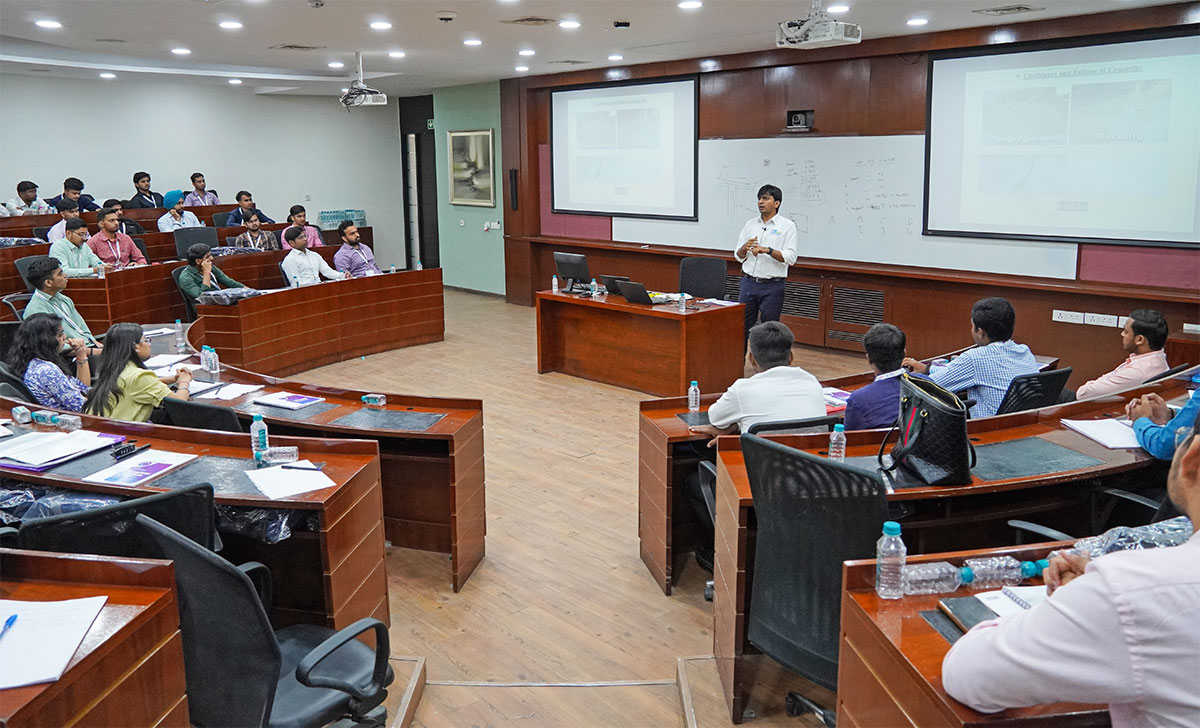
ACC places strong emphasis on strengthening workforce capabilities, recognising continuous learning as a catalyst for both individual advancement and organisational excellence. The Company has established a structured talent development framework supported by a comprehensive digital learning ecosystem, enabling seamless access to specialised modules, virtual masterclasses and customised web-based programmes that enhance functional expertise and leadership depth in a rapidly evolving industry landscape. Cadre hiring continued to be a strategic focus, with targeted recruitment of Graduate Engineer Trainees (GETs), Diploma Engineer Trainees (DETs) and Management Trainees (MTs). This structured intake is designed to strengthen the long-term talent pipeline and ensure sustained availability of technical, operational and leadership capabilities aligned with evolving business requirements.

Managers play a pivotal role in embedding this culture of learning, particularly during onboarding, by guiding new employees and facilitating their integration into the Company's values and operations. The e-Vidyalaya digital platform serves as a central knowledge hub, offering curated learning resources and encouraging employees to take ownership of their professional development. In FY 2025-26, the average training and development investment per full-time employee stood at `4,725, underscoring ACC's sustained commitment to capability building and long-term talent growth.

Empowering the Workforce through Digital Dexterity

ACC is accelerating its digital transformation journey through a structured Digital Dexterity Programme aimed at building future-ready capabilities across the organisation. By leveraging advanced technologies such as IoT, cloud computing and AR and VR applications, the initiative enhances digital proficiency and develops employees as certified change champions who support technology adoption across core operational areas.

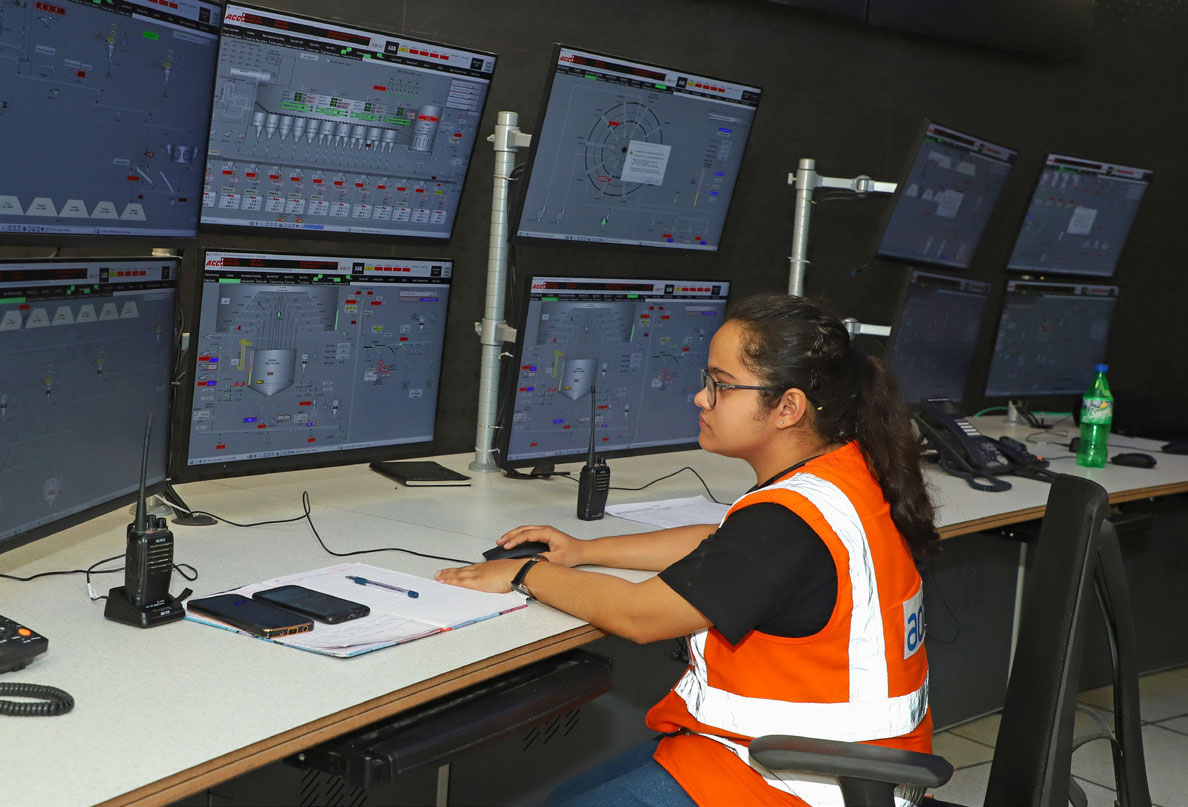
The Company is also embedding AI-enabled tools, including MS Copilot, to strengthen datadriven decision-making and enhance critical systems such as Occupational Health and Safety. This focused approach to digital enablement is improving efficiency, agility and operational resilience, while fostering a culture of innovation, safety and continuous improvement across the enterprise.

The Dronacharya Learning Ethos

Rooted in India's rich tradition of mentorship and inspired by the spirit of Dronacharya, Adani Cement is strengthening a future-ready learning culture where knowledge shapes both capability and character. Our experienced mentors, our modern-day Dronacharyas are guiding young leaders with the skills, mindset and confidence required in a rapidly evolving industry. This commitment is supported through 'Train the Trainer' programmes, advanced simulators and robotic learning tools, Plant of the Future shopfloor labs, and digital modules enabling real-time upskilling. By blending tradition with technology, the Company ensures knowledge flows across generations. Our annual recognition of outstanding mentors reflects our belief that building people is as important as building infrastructure.

Training

(in ₹)

Particulars FY 2025-26 FY 2024-25 FY 2023-24
Training investment per FTE (in ₹) 4,725 10,280 4,077

Percentage of Open Positions Filled by Internal Candidates

Management Category FY 2025-26 FY 2024-25 FY 2023-24
Open positions filled by internal candidates (%) 100% 0 99%
26,633
Total Number of Training and Awareness Programmes
₹ 4,725
Average Amount Spent per Employee in Training
51,548
Hours of Training Provided for Skill Upgradation
55,184
Total Training Hours
1,323
Employees and Workers Trained on Skill Upgradation
1,429
Hours of Training Provided for Behavioural Skill Upgradation
19.5
Average Training Hours per Employee
2,902
Hours of Training Provided for Digital and Analytical Skills Upgradation
2,836
Employees and Workers trained on health and safety measures

Employee Development Programmes

Programme Target Group Focus and Format Impact
CCR Certification Plant teams and operations staff (mill, kiln, process) 5-day simulator-based, hands-on training for process stabilisation and optimisation. 113 trainees certified; improved process stability and operational readiness.
ALAP (Adani Leadership Acceleration Programme) Senior functional leaders Cohort-based programme on finance, governance and ESG integration with mentoring responsibilities. Graduates mentor future cohorts; strengthen leadership bench and governance capability.
eVidyalaya (Digital learning) All employees (employees, contractors as applicable) Always-on digital learning hub (Percipio) offering role-based modules in technical, digital and sustainability topics. Organisation-wide access to self-paced learning; supports continuous upskilling and capability building.
Oyster (Leadership programmes) Mid-to-senior managers/ emerging leaders Blended leadership programme covering strategy, finance, operations, ESG and customercentricity over 8-10 months. Builds enterprise-ready leaders with stronger decision-making, collaboration, execution excellence and strategic perspective.
Group Coaching Programme Identified cohort of high-potential employees Structured leadership development delivered through confidential coaching, involving two-day classroom sessions conducted every month from Jan'26 to Apr'26, with emphasis on self-reflection, ownership, and practical application of insights. Strengthened leadership effectiveness by enabling participants to align goals, address challenges, and build accountability, while fostering a culture of continuous learning and long-term leadership development.
Young Managers Programme —Cement Manufacturing Young managers in cement manufacturing Instructor-led learning journey combining virtual and classroom modules, conducted by Adani Skill & Education, focused on building technical understanding of cement manufacturing processes. Enhanced domain knowledge and operational readiness of young managers, supporting stronger functional capability and alignment with manufacturing excellence.
Leadership Workshop by Prof. Ram Charan Senior leadership and functional heads 2-day session with executive keynotes and immersive workshops on business fundamentals, AI-led transformation and growth levers. Strengthened strategic judgement, capital allocation discipline and AI-enabled decision-making for accelerated profitable growth.

Performance Management System

The Company has implemented a comprehensive Performance Management System (PMS) to promote transparency, clarity and alignment of expectations across the workforce. The system covers performance measurement, midyear and year-end reviews, ratings, promotion recommendations, and individual feedback. Regular, bidirectional feedback and 360-degree reviews are integral to the process, fostering trust, openness and continuous development. Fairness and transparency play a key role in the PMS to assess performance against targets, competencies, achievements and overall contribution. This enables the identification of high and low performers, highlights development needs, and informs decisions on rewards, promotions and career progression. All eligible employees participate in annual appraisals, ensuring consistent, fair evaluation and meaningful feedback to support professional growth.

Performance Appraisal

ACC's performance appraisal process encompasses performance measurement, mid-year and yearend reviews, ratings, promotion recommendations, and individual feedback. The Company applies a merit-based system to compare employee performance across defined categories, enabling the identification of high performers and areas for improvement. These insights guide decisions on promotions, rewards and career development, ensuring clear and effective performance differentiation. All eligible employees undergo annual appraisals, while workmen are evaluated in accordance with terms agreed with the union.

During the year, the Cement Business recorded the highest number of promotions in a single financial year, underscoring its strong commitment to internal mobility, merit-based advancement and structured performance management. Robust succession planning and transparent evaluation frameworks across functions and locations continue to reinforce a culture of growth and accountability.

Diversity, Equity and Inclusion

Committed to advancing diversity, equity and inclusion (DEI) across its operations, ACC upholds equality and respect for all individuals, irrespective of gender, ethnicity, age, caste, religion or background, and fosters inclusive workplaces through pay parity, balanced skills and diverse representation. In line with its DEI policy, these principles are embedded within human resource practices and stakeholder engagement, supported by a zero-tolerance stance on discrimination and harassment. Regular training and awareness programmes reinforce this commitment, alongside a robust Prevention of Sexual Harassment (POSH) framework to ensure a safe and dignified workplace.

To strengthen gender diversity, ACC is striving to increase women's representation across the organisation by 2030, supported by initiatives such as BeConnected. This platform enables women through structured mentorship, networking opportunities and focused professional development, building a more inclusive, supportive and vibrant work culture.

Gender Diversity: Structural Context, Sectoral & Technical Workforce Realities and Sustainable Transition

Gender Diversity: Structural Context, Sectoral & Technical Workforce Realities and Sustainable Transition

Gender diversity remains a strategic priority and is governed through leadership oversight and ESG frameworks at both Group and business levels. Workforce composition and gender representation are reviewed periodically, with interventions calibrated to business models, role requirements, and operating contexts.

India presents a unique structural paradox. Women constitute approximately 42- 43% of India's STEM graduates, one of the highest proportions globally. However, this strong educational pipeline does not translate proportionately into technical and operational roles. The gap is not one of capability or qualification, but of structural, geographic, and sector-specific constraints.

The locations of cement plants are characterised by geographically dispersed and remote project locations, continuous on-site presence requirements, rotational or extended work schedules, and high mobility demands. Despite a robust supply of technically qualified women at the national level, many are unwilling or unable to pursue long-term careers in remote project locations due to safety concerns, limited access to suitable housing and sanitation infrastructure, mobility constraints, family responsibilities, and social factors.

Management Approach and Transition Path

Recognising these realities, the Adani Portfolio has adopted a calibrated and phased approach to advancing gender diversity, focusing on sustainable integration rather than short-term numerical optimisation.

In the near term, efforts are concentrated on improving representation in functions where the external talent pool is relatively deeper and geographic constraints are lower, including corporate roles, HR, GCC, Project Planning & Monitoring Group, Techno-Commercial, Finance, Digital, Sustainability, and emerging technology domains.

In parallel, long-term interventions are directed at addressing the technical workforce gap through sustainable initiatives like:

Partnerships with ITIs, polytechnics, and skilling institutions to build industry-aligned technical capabilities among women.

Progressive deployment of automation and digital systems that reduce physical intensity and enable broader participation wherever feasible.

Structured retention and progression mechanisms, including mentorship, transparent career pathways, and bias-resistant systems.

Way Forward

Gender diversity outcomes across the Group and Cement Business reflect both current labour market constraints and deliberate management choices aligned to operational realities. Progress is expected to be deliberate and phased.
Focus on Equal Pay

ACC follows a gender-neutral remuneration approach, with compensation determined by skills, experience and role requirements. As a result, pay levels vary by position, with women earning more than men in some roles and vice versa. This ensures fairness and merit-based outcomes across the organisation.

Employee Well-being

ACC promotes holistic employee well-being through comprehensive support programmes and a conducive work environment. Key initiatives include flexible working hours, regular health check-ups, health insurance, childcare facilities and celebration of significant events. Physical fitness is encouraged through wellness challenges, fitness classes and sports facilities.

Recognising the importance of emotional health and overall wellbeing, ACC has introduced dedicated mental wellness initiatives under the Adani Cares platform in collaboration with Independent Counselling and Advisory Services. To streamline healthcare management for employees and their families, the Adani Emcare mobile application offers a comprehensive suite of features, including personalised health dashboards, access to historical medical records, integration with cashless hospital networks, downloadable mediclaim cards and curated health information resources, all securely accessible to authenticated users.

To support parenthood, the Company provides 26 weeks of maternity leave and 12 weeks for adoption, with options for flexible return-to-work arrangements. Paternity leave of six days is granted to the non-primary caregiver. Employees are also entitled to other paid leaves, including 21 days of privilege leave, seven days of sick leave and seven days of casual leave, which can be availed as per requirement.

100%
Workforce Covered under Wellbeing Benefits

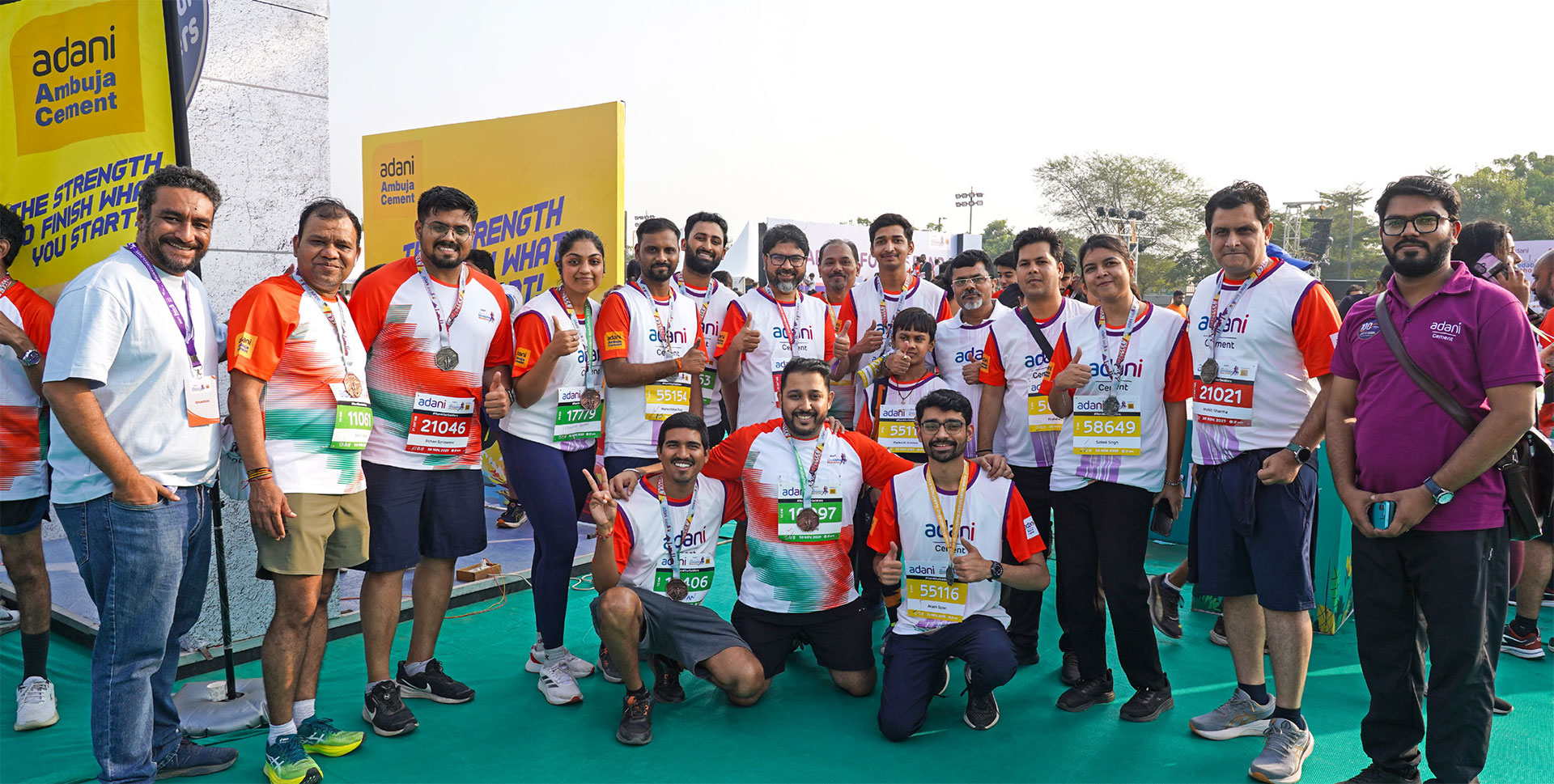
#Run4OurSoldiers: 9th Adani Ahmedabad Marathon

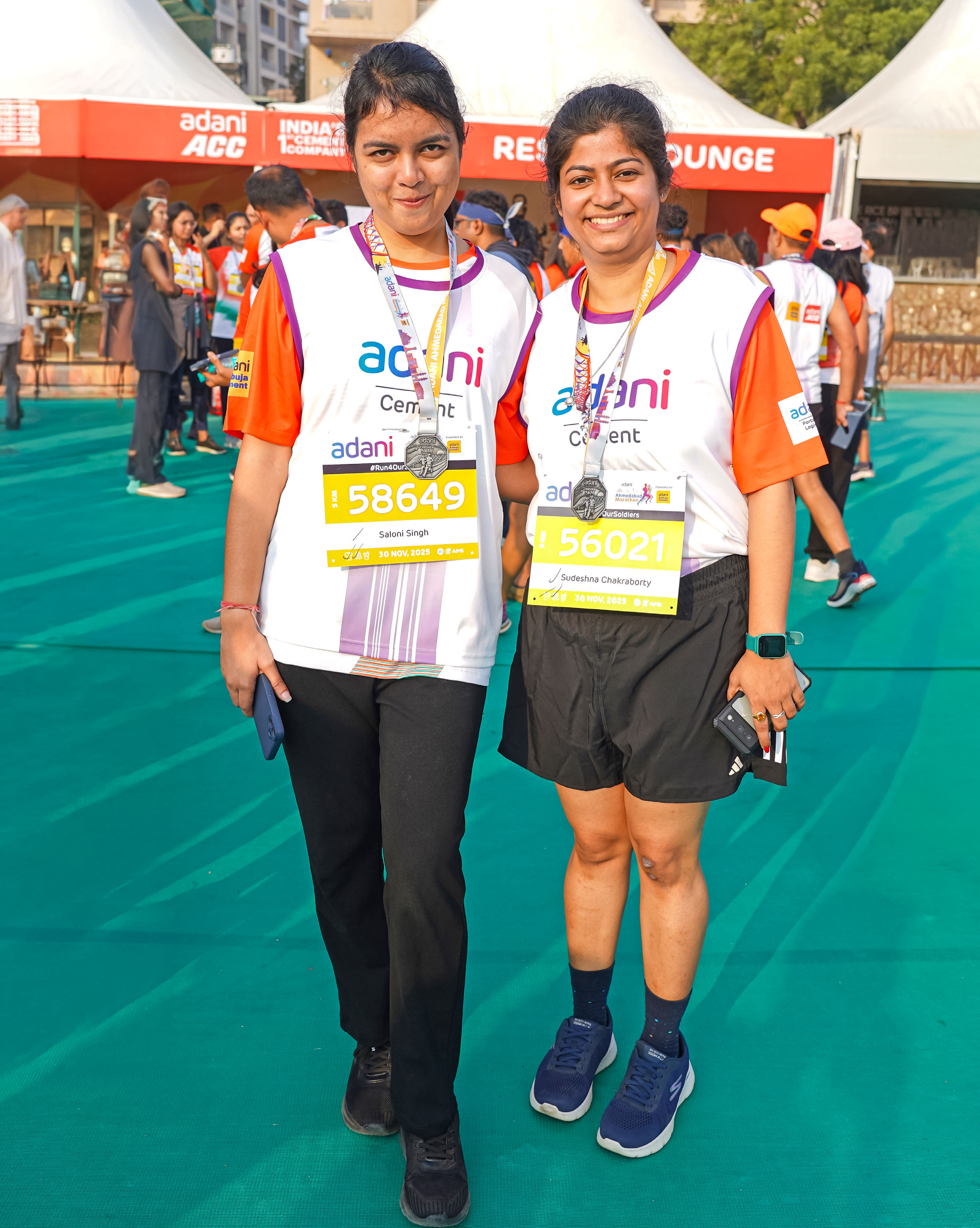
ACC, as part of the wider Adani Group ecosystem, continues to promote community well-being, fitness and inclusivity through marquee sporting platforms such as the Adani Ahmedabad Marathon. In its 9th edition, held under the unifying theme #Run4OurSoldiers, the event brought together over 24,000 participants across full, half, 10 km and 5 km race categories, paying tribute to India's armed forces.

The marathon has evolved into a significant city-wide movement that transcends sport, fostering collective pride, social cohesion and a spirit of endurance among participants from diverse age groups and backgrounds. Beyond encouraging physical fitness, the initiative reinforces values of unity, respect and community engagement, positioning it as a shared celebration of purpose and resilience rather than merely a competitive event.

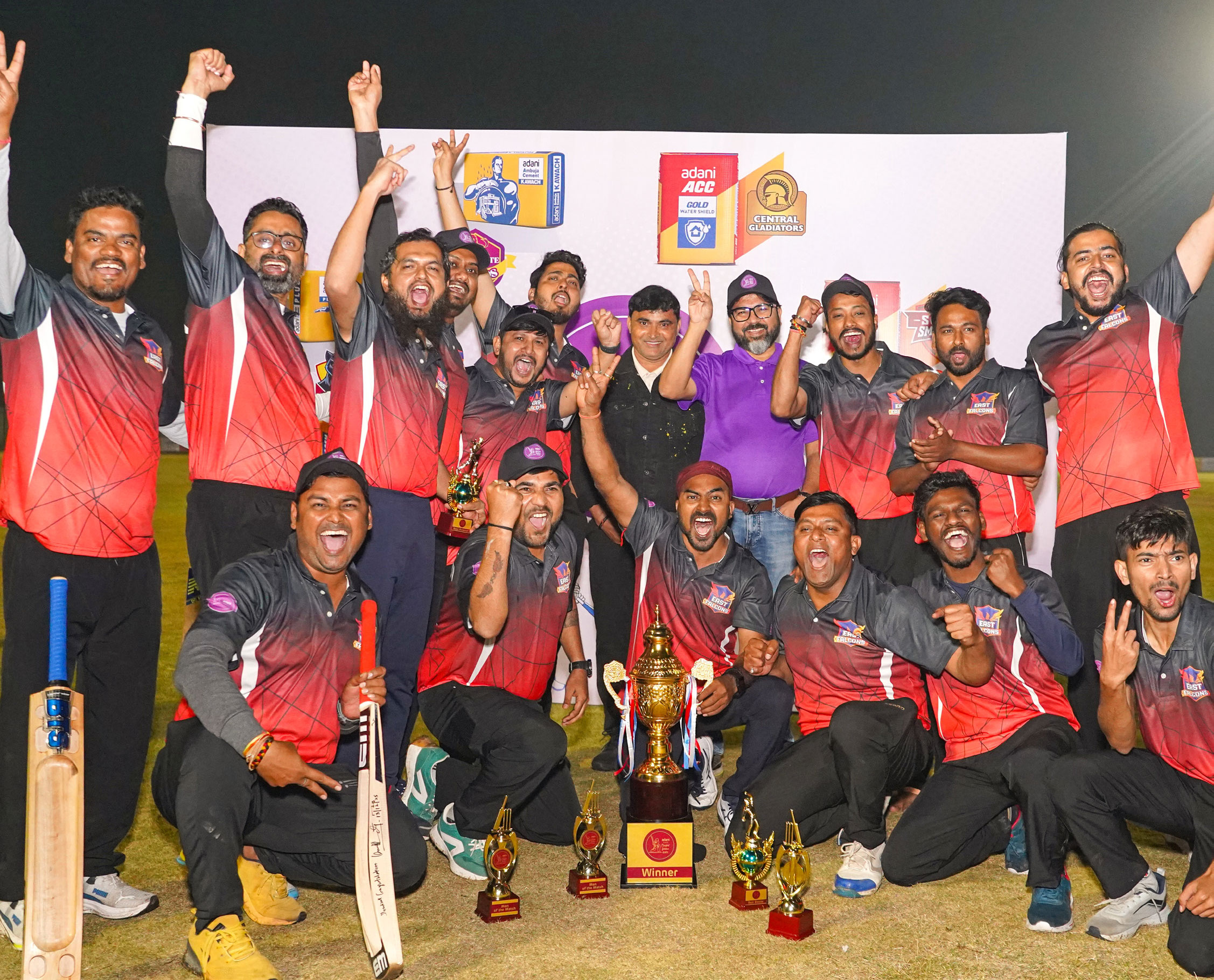
Adani Cement Cricket League: Strengthening Unity through Sport

The inaugural Adani Cement Cricket League marked a significant milestone, transforming a sporting initiative into a dynamic platform for collaboration, inclusion and shared purpose. Reflecting the core values of strength, reliability and trust that define the Company's premium portfolio, the inter-unit tournament brought together teams from manufacturing locations, logistics hubs, RMC plants and project sites, uniting six regional clusters in a collective celebration of teamwork and performance. The competition culminated in a grand finale in Ahmedabad, symbolising shared pride and organisational cohesion.

Beyond the cricket field, the league strengthened workplace camaraderie and encouraged family participation, while the active involvement of Ladies Club members added depth through wellness initiatives and community engagement activities. With plans to expand into additional sports and introduce a Women's League, the platform continues to reinforce the belief that sustained performance excellence is built on people, fostering a culture of unity, belonging and shared achievement that extends far beyond the game.

Employee Engagement

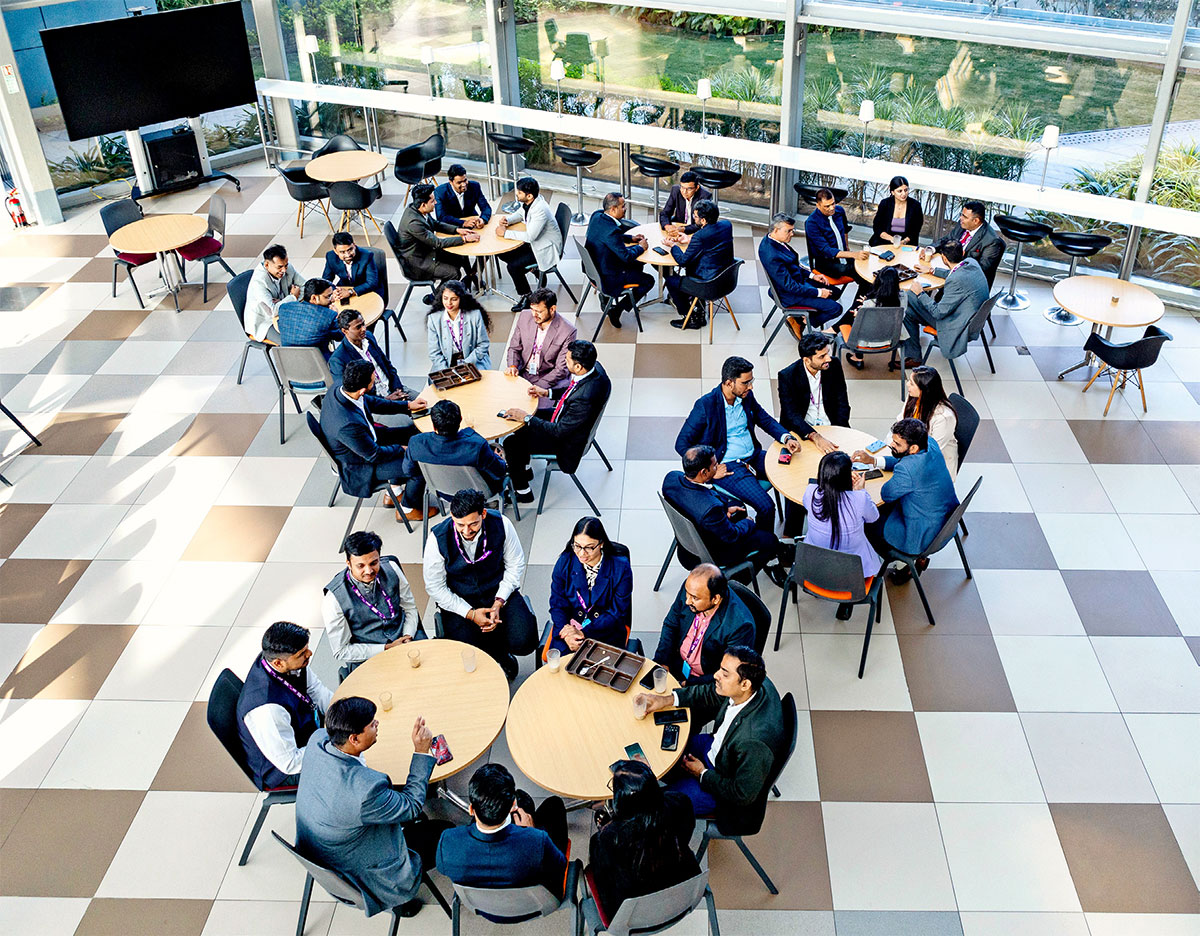
ACC demonstrates a strong commitment to employee engagement through initiatives that foster inclusion, collaboration and active participation. The Company promotes a vibrant workplace culture through team-building activities such as sports days and cricket leagues, alongside unique engagement initiatives including cinema evenings for cement business employees. Regular town halls, leadership interactions, engagement surveys and feedback forums encourage open dialogue and shared growth across the organisation.

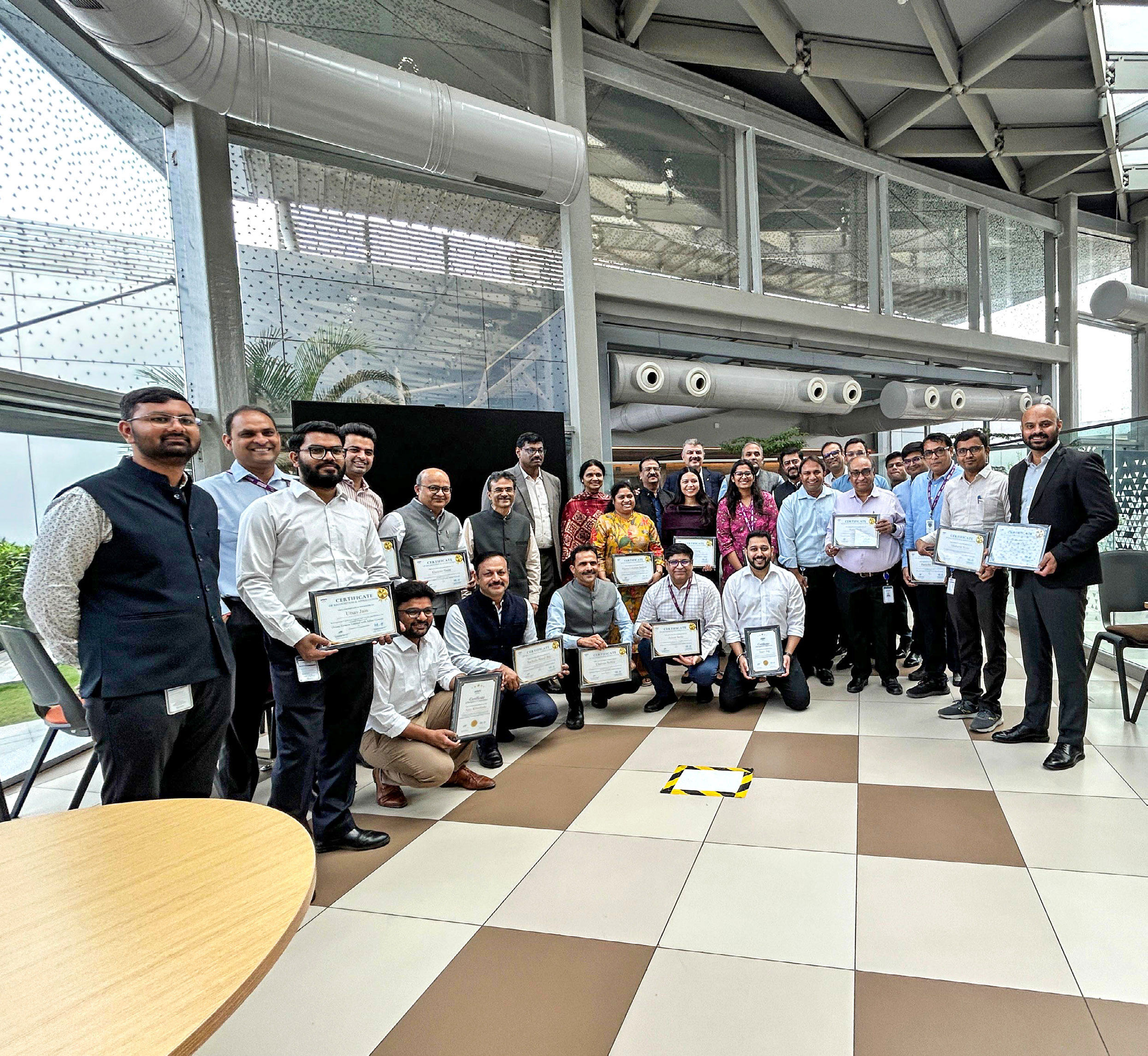
Additionally, ACC also reinforces a culture of recognition through monthly spot awards, Employee of the Month recognitions, and Long Service Awards for employees with over 10 years of tenure. Regular engagement surveys further help the Company understand employee experiences, enhance well-being, and create a positive, supportive work environment that drives employee satisfaction and organisational success.

Employee Turnover in FY 2025-26

Total Employee Turnover Rate
Employee Turnover Female Male Total Turnover
<30 30-50 >50 Total <30 30-50 >50 Total Grand Total
Top Management 0% 0% 0% 0% 0% 0% 0% 0% 0%
Senior Management 0% 0% 0% 0% 0% 32% 44% 39% 38%
Middle Management 0% 0% 57% 15% 100% 11% 19% 13% 13%
Junior Management 23% 14% 100% 21% 43% 13% 50% 19% 19%
Management Trainees 0% 0% 0% 0% 0% 0% 0% 0% 0%
Non-management Categories (Workmen) 0% 0% 0% 0% 14% 1% 4% 2% 2%
Total 23% 9% 73% 18% 38% 7% 19% 10% 10%
Voluntary Employee Turnover Rate
Employee Turnover Female Male Total Turnover
<30 30-50 >50 Total <30 30-50 >50 Total Grand Total
Top Management 0% 0% 0% 0% 0% 0% 0% 0% 0%
Senior Management 0% 0% 0% 0% 0% 27% 24% 25% 25%
Middle Management 0% 0% 29% 7% 100% 10% 11% 11% 11%
Junior Management 23% 14% 100% 20% 41% 11% 40% 16% 16%
Management Trainees 0% 0% 0% 0% 0% 0% 0% 0% 0%
Non-management Categories (Workmen) 0% 0% 0% 0% 14% 1% 0% 1% 1%
Total 23% 9% 36% 16% 37% 6% 13% 8% 8%

Human Rights

ACC upholds fundamental human rights as an integral part of its values and corporate responsibility. The Company's Human Rights Policy is aligned with internationally recognised frameworks, including the Universal Declaration of Human Rights, the ILO Declaration on Fundamental Principles and Rights at Work, and the UN Guiding Principles on Business and Human Rights. Applicable across employees, associates, customers, vendors and contractors, the policy reinforces ACC's commitment to respecting and safeguarding human rights throughout its operations and value chain.

To strengthen awareness and accountability, 100% of employees were trained on human rights during the reporting period. Recognising the broader impact of business operations and supply chain practices, the Company also enforces a Supplier Code of Conduct across its supplier network. The Code reflects zero tolerance towards child labour and forced labour, while reinforcing expectations related to fair wages, reasonable working hours, occupational health and safety, prevention of human trafficking, non-discrimination, and respect for freedom of association and collective bargaining.

ACC fosters a workplace culture that upholds dignity, privacy and individual safety while ensuring a discriminationfree environment. The Company's Policy on Freedom of Association supports these principles, and during FY 2025-26, 1,441 site-based workers were members of trade unions. In addition, the Employee Grievance Redressal Policy provides a structured mechanism for raising concerns, including anonymous reporting, ensuring confidentiality and fair resolution.

100%
Employees and Workers Trained on Human Rights Issues

Human Rights Assessment and Due Diligence

ACC has established a due diligence process to identify and assess human rights risks across its operations, value chain and activities. This covers key areas such as health and safety, forced labour, child labour and equal remuneration. The Company is committed to gender-neutral pay practices and ensures fairness and transparency through regular reviews to identify and address any disparities.

Human Rights Assessment Process

Identifying Risks and Impacts
Impact Management and Mitigation
Monitoring and Analysing the Effectiveness of Remedial Measures
Providing Remedies where Appropriate
Following Policy Commitments
Zero
Cases of human rights violations reported by stakeholders in FY 2025-26 w.r.t child labour, forced labour, wages or violations affecting the indigenous communities
Zero
Reported cases of human rights violations of indigenous communities in FY 2025-26
100%
Security personnel (including third-party personnel) trained on human rights policies and procedures

Employee Health and Safety

ACC places Occupational Health and Safety (OHS) at the core of its operations, guided by a 'Zero Harm' objective and a robust governance framework. Technology serves as a key enabler through advanced safety systems and continuous performance monitoring, while safety is embedded as a strategic lever supporting productivity, reliability and long-term value creation. A structured competency framework, supported by comprehensive training, clearly defined roles and active safety committees, ensures accountability across employees, contractors and partners. Safety standards are also integrated into procurement and contractual processes, extending responsibility across the value chain. Assurance is reinforced through an ISO 45001-certified management system, regular audits and periodic reviews, ensuring sustained compliance and workplace safety excellence.

In a capital-intensive and operationally complex environment, ACC leverages safety to enable uninterrupted operations, protect assets and build workforce confidence, thereby strengthening overall business performance. By reducing risk exposure and reinforcing leadership ownership and accountability, safety becomes a catalyst for efficiency and scalability.

Technology as an Enabler

  • Deployment of drones for confined-space inspections, eliminating human exposure and reducing downtime
  • Automated clinker sample collectors reducing the temperature from 900°C to 50°C at the delivery point, with high-precision sampling and significantly reduced thermal risk
  • Portable universal safety cages allowing faster and safer brick lining operations
  • Mechanised dummy placement in smoke chambers to remove manual intervention
  • Advanced anti-tilt sensors, AI-enabled alerts and smart laboratory integration for real-time monitoring and data-driven decisions
  • Installation of over 10,000 IoT sensors and high-tech surveillance systems across plants

Safety as a Business Lever

  • Technology-led interventions improving process reliability and operational effectiveness
  • Reduced operational risk and downtime, strengthening productivity and cost efficiency
  • Safety embedded as a competitive advantage across the value chain

Competency Framework

  • Adoption of the RESQ (Reliability, Environment, Safety and Quality) mindset as a core performance lens
  • Focus on building safety capabilities aligned with evolving operational complexity

Engagement

  • Organisation-wide awareness fostering a culture of shared responsibility for safety

Assurance

  • Cross-unit audit
  • Continuous reinforcement of safety maturity as the organisation expands in scale and complexity

Strengthening a Proactive Safety Culture

Safety leadership at Adani Cement is reinforced through structured management engagement and sustained culture-building initiatives. Key interventions include:

  • Boots on Ground (BOG), Visible Felt Leadership and regular site visits, enabling direct engagement with frontline teams
  • ROKO-TOKO, empowering employees to intervene and stop unsafe acts, reinforcing accountability at all levels
  • Organisation-wide safety campaigns, focused on awareness, engagement and continuous learning
  • Early hazard identification and timely closure, supported by a dedicated safety app encouraging near-miss reporting and open communication
  • Focus on leading indicators, including unsafe conditions and near misses, significantly strengthens proactive risk management, with lead measures increasing nearly tenfold year-on-year— reflecting a prevention-led safety culture
Case Study

Safety: A Business Enabler

#1

At ACC, safety is embedded within operational excellence and long-term business resilience. Silo availability is critical for sustainable operations and demands strong governance, competent supervision and disciplined execution. To strengthen this framework, a specialised silo cleaning workshop was conducted, certifying Silo Cleaning Champions across sites. Under their supervision, silo cleaning activities were executed using advanced technologies such as the use of the BinWhip machine, Cardox applications and drone inspections. These structured interventions ensured robust risk control, resulting in zero harm outcomes across silo cleaning operations while enhancing reliability and operational continuity.

With unified efforts across all plants, the Company's Silo champions have turned safety into a true business enabler

Reduction in cleaning time from 150+ days to 90 days average
Enhancing storage capacity
Zero injuries and zero procedural deviations
#2

A critical shutdown at ACC's parent company Ambuja Cements' Rabriyawas unit became a defining demonstration of resilience anchored in leadership accountability and disciplined safety governance. Clear corrective measures, aligned with the Code of Conduct, were implemented alongside rigorous on-site monitoring and seamless cross-functional coordination to ensure safe and controlled execution. The experience was systematically captured and institutionalised through focused webinars, management safety sessions and the strengthening of the Shutdown Safety Standard. By embedding prevention, accountability and continuous improvement into shutdown protocols, the unit reinforced how robust safety practices safeguard operational stability, enhance efficiency and sustain long-term business performance.

#3

Safety is embedded at ACC's Ametha plant, going beyond mere compliance. The Company has successfully implemented a Comprehensive Safety Signage Initiative across the plant, establishing a new benchmark in visual management and hazard communication.

The initiative commenced with a detailed assessment of plant operations to identify specific safety requirements across various zones. Signage needs were categorised into standardised types, including directional signs, building identification boards, emotional safety posters, mandatory instructions, prohibition signs, hazard warnings, emergency route maps and general informational guidance such as the Company's mission, vision, OHS policy and visitor instructions. Through this strategic approach, Ametha Cement Works reinforces a safer, more informed and hazard-aware workplace for all employees and visitors.

Celebrating Safety

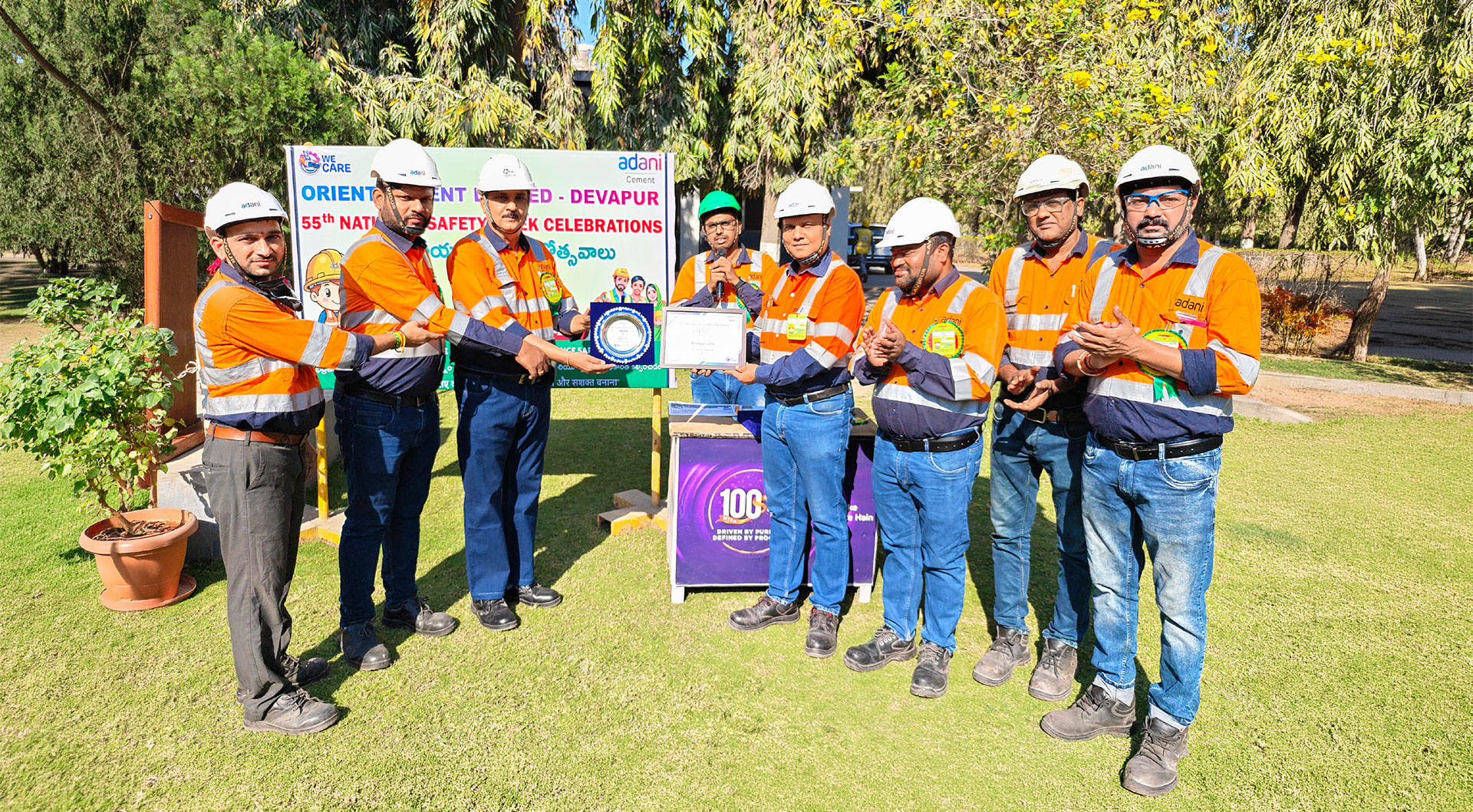
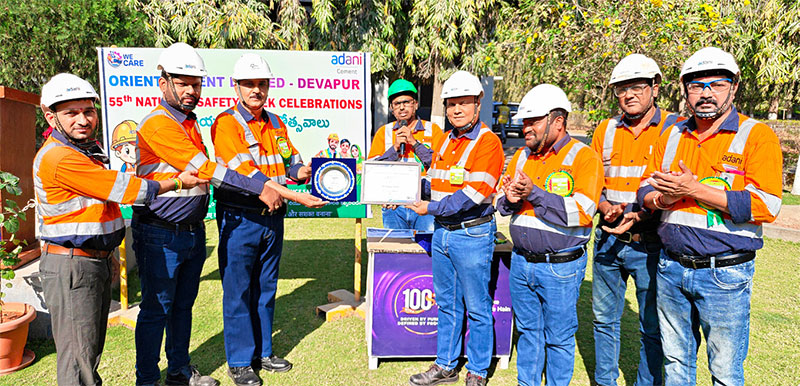
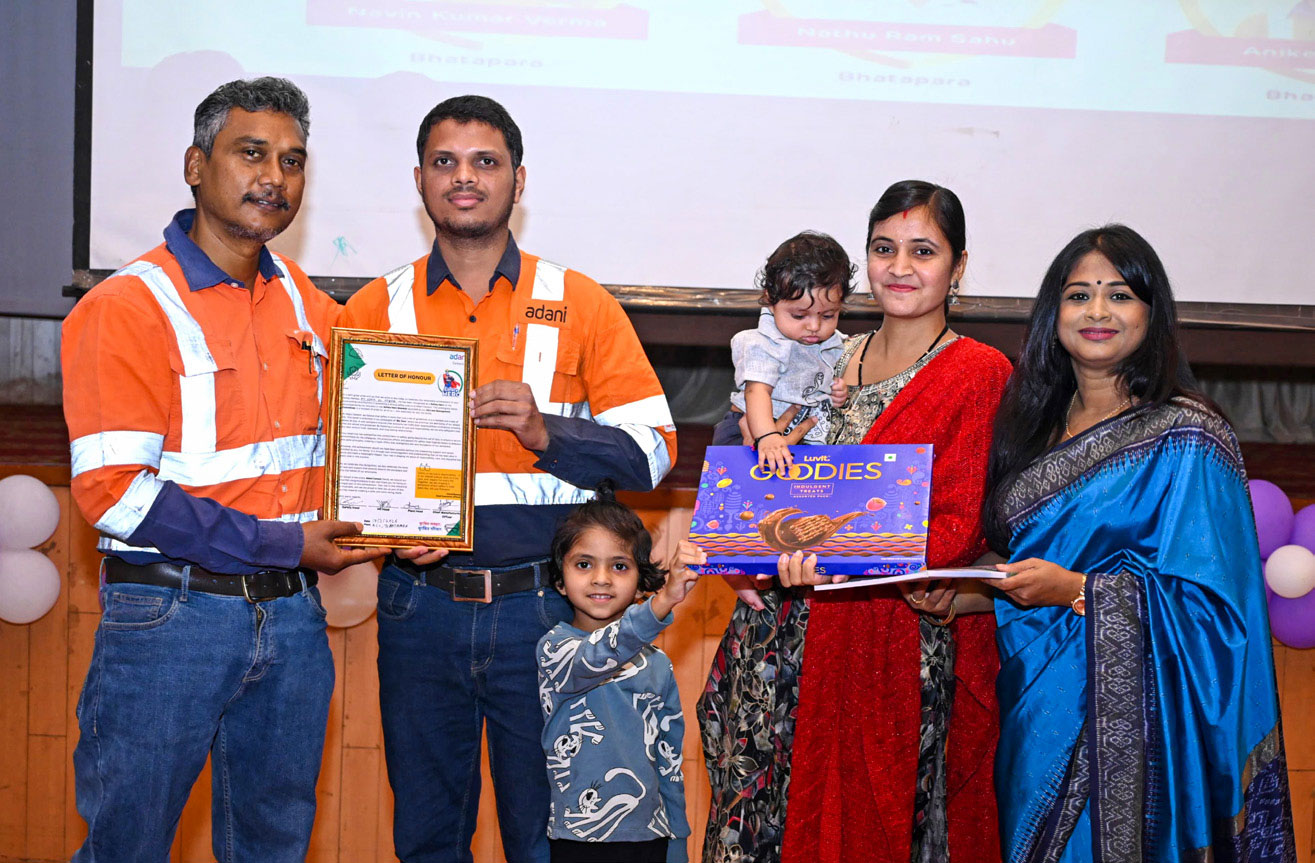
ACC strengthened its Zero Harm culture in FY 2025-26 through structured recognition and sustained engagement across sites. The Company honoured 267+ Safety Heroes for exemplary safety behaviour, reinforcing peer-led ownership and positive reinforcement. Families of Safety Heroes were also recognised through Samman Patra, acknowledging their role in fostering responsible choices beyond the workplace. Ahead of the festive season, initiatives such as the 'Dhanvarsha Lucky Draw (Maha Dhanvarsha)' recognised Safety Heroes, Safety Evangelists and drivers, encouraging heightened vigilance and adherence to safe practices.

Safety Engagement

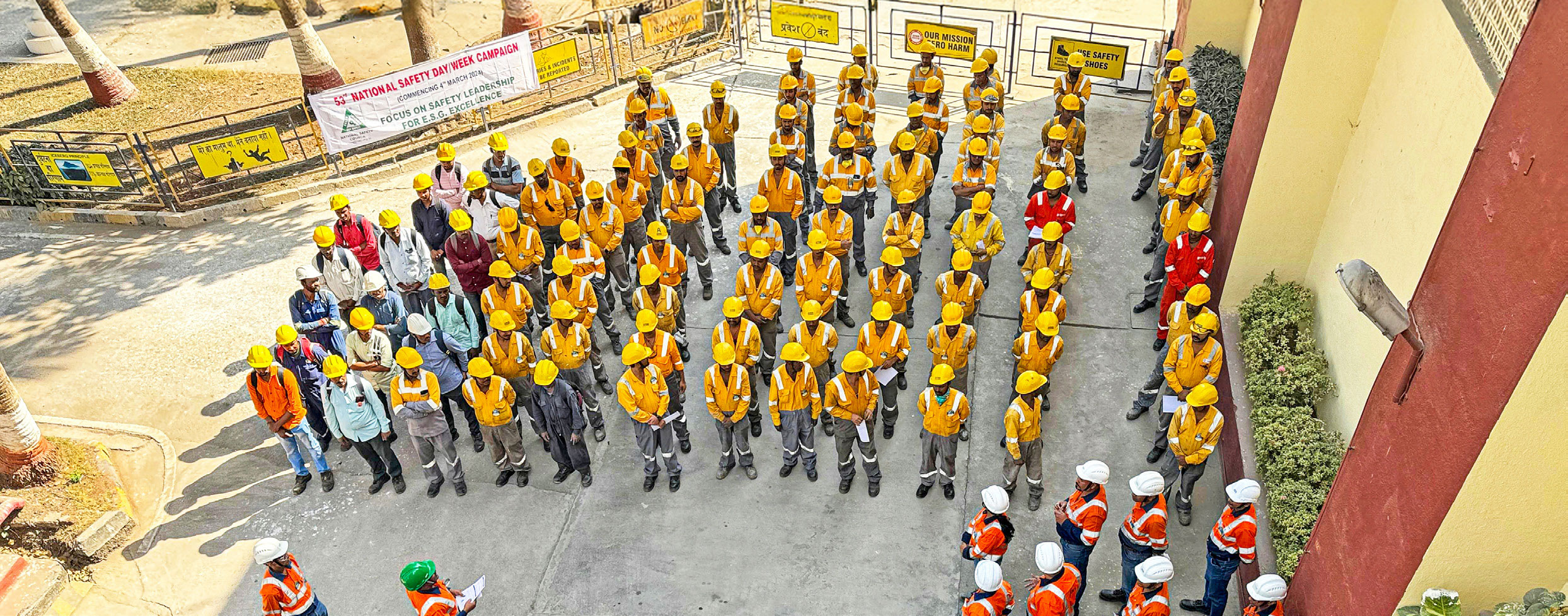
ACC, along with its parent company, Ambuja Cements, implemented a series of focused safety campaigns to reinforce safe behaviours and embed consistent practices across operations. Interactive formats such as quizzes, toolbox talks and scenario-based communication encouraged active participation from employees and contract workers, supported by recognition and reward mechanisms. By translating learnings into simple, actionable behaviours and emphasising early intervention, routine inspections and individual accountability, the programmes improved procedural compliance, increased near-miss reporting and reduced repeat incidents—fostering a proactive, ownership-driven safety culture across sites.

Initiatives Undertaken to Strengthen Safety Performance

Follow SOP - Suraksha Ki Guarantee
Boots on Ground (BOG)
ROKO-TOKO
Tool Safety - It's in Your Hands
Repeat Nahi, Sudhaar Karein
Bye Bye Bypass
Safety Ek Atut Deewar
Drive the Change
Skip the Slip
Safety Ek Aadat

Leadership Commitment and Governance

  • Huge investment in structural integrity in enhancing safety in plant infrastructures
  • No budget constraints for safety-related improvements
  • Integrating 'safety by design' in ongoing and upcoming projects
  • Investment in safety capability building across sites and functions
  • A 5-day, first-party safety audit conducted to strengthen the safety system, investing a total of 420 man-days. The audit was led by the Unit head of another plant and supported by 6 to 8 members from different disciplines and sites

Training and Capability Building

  • Subject matter experts were deployed for strengthening capability building at sites
  • Process safety, incident investigation, and controls for silo cleaning, coal mills
  • Conducted safety workshops on process safety, silo cleaning, coal mill safety, and shared incident-learning videos
  • Conducted Saksham training for contract workers using video-based learning modules
1,26,949
Workers Trained under this Programme
1,95,088
Man-hours Spent on Saksham Training
32,204
Number of Permits to Work Audits Conducted
2.66
Man-days/FTE

#WeCare

ACC prioritises people and is committed to achieving zero harm across its workforce, including employees, associates, and contractors. By focusing on hard controls safety audits, and robust reviews, the Company drives its WeCare framework—a care-based safety management system. Competency building, and cultural shift initiatives at the core, ACC fosters a robust safety culture. Additionally, various programmes and assurance audits are implemented to strengthen risk awareness and mitigation across its plants.

Technological Intervention for System Assurance:

ACC uses the SafeX tool for reporting safety indicators, aligning with group standards. The Company also adopted advanced technologies like drones for high-risk processes such as shutdowns and silo cleaning. Life Saving Control, Boots on Ground Critical safety parameters are managed and monitored through the One India dashboard, enabling effective safety oversight. Additionally, system compliances are ensured through regular safety management system audits.

Safety Performance for FY 2025-26

Description FY 2025-26 FY 2024-25
Fatality (On-site) 0 1
Lost Time Injury 23 22
Restricted Workday Cases 5 7
Medical Treatment Cases 11 9
Lost Time Injury Frequency Rate 0.45 0.41
Total Injury Frequency Rate 0.76 0.72
First Aid Cases 44 34

Prioritising Employee Health and Wellness

ACC has set up Occupational Health and Safety (OHS) facilities at its sites to deliver healthcare services, ensure adherence to health standards and assist OHS teams in promoting medical fitness. These facilities support appropriate work placement, provide first aid, facilitate preventive care, offer health education and enable ongoing health monitoring, contributing to a safe, healthy workplace.

Occupational Health — Key Initiatives
Round-the-clock medical staff
First-aid and ambulance services
Dust prevention mist water spraying
Occupational health centres
Canteen facilities and rest sheds
Non-occupational Health — Key Initiatives
Preventive health initiatives
Health awareness
In-house allied services
Tele-consultation services
Clinical support during hospitalisation

Transforming Vision into Execution

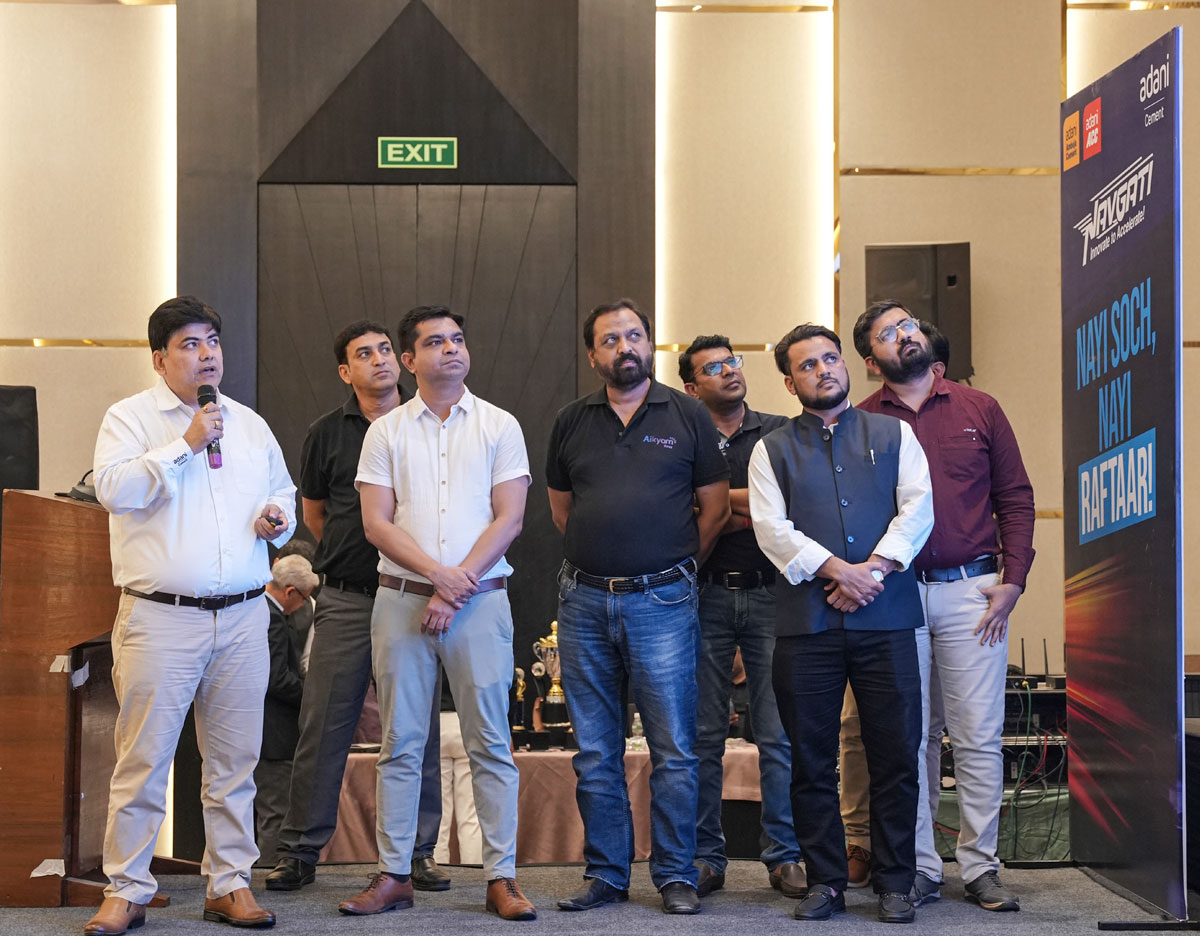
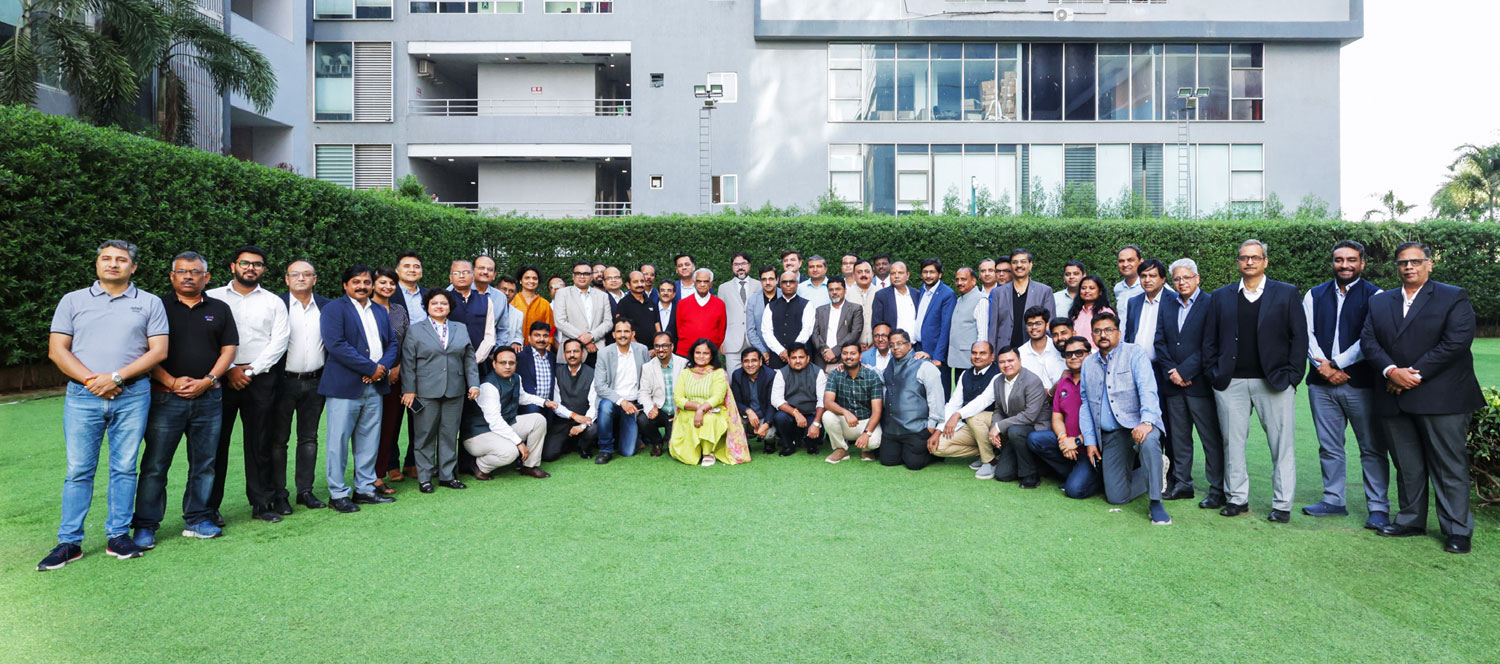
Adani Cement hosted its Off-site Directors' Engagement Programme at ACC's Kymore and Ametha plants in FY 2025-26, centred on the theme 'REIMAGINACTION', symbolising reimagination backed by decisive action. The two-day programme brought together 28 Board members and senior leaders from ACC, Ambuja, Orient and Sanghi to experience the business's transformation across the technology, governance, sustainability, community development and talent fronts.

The visit highlighted the contrast between Kymore's 102-year legacy and Ametha's future-ready, Industry 4.0-enabled operations, including digital control centres, WHRS and a Robotics Lab. Engagements with GETs and DETs, ACC's future leaders, underscored a strong leadership pipeline, while community initiatives spanning education, skill development, women's livelihoods and green plantations reflected inclusive growth. Strategic discussions, cultural showcases and sustainability milestones reinforced Adani Cement's commitment to building a resilient, future-focused organisation through purposeful execution.

Case Study

Suraksha Bandhan

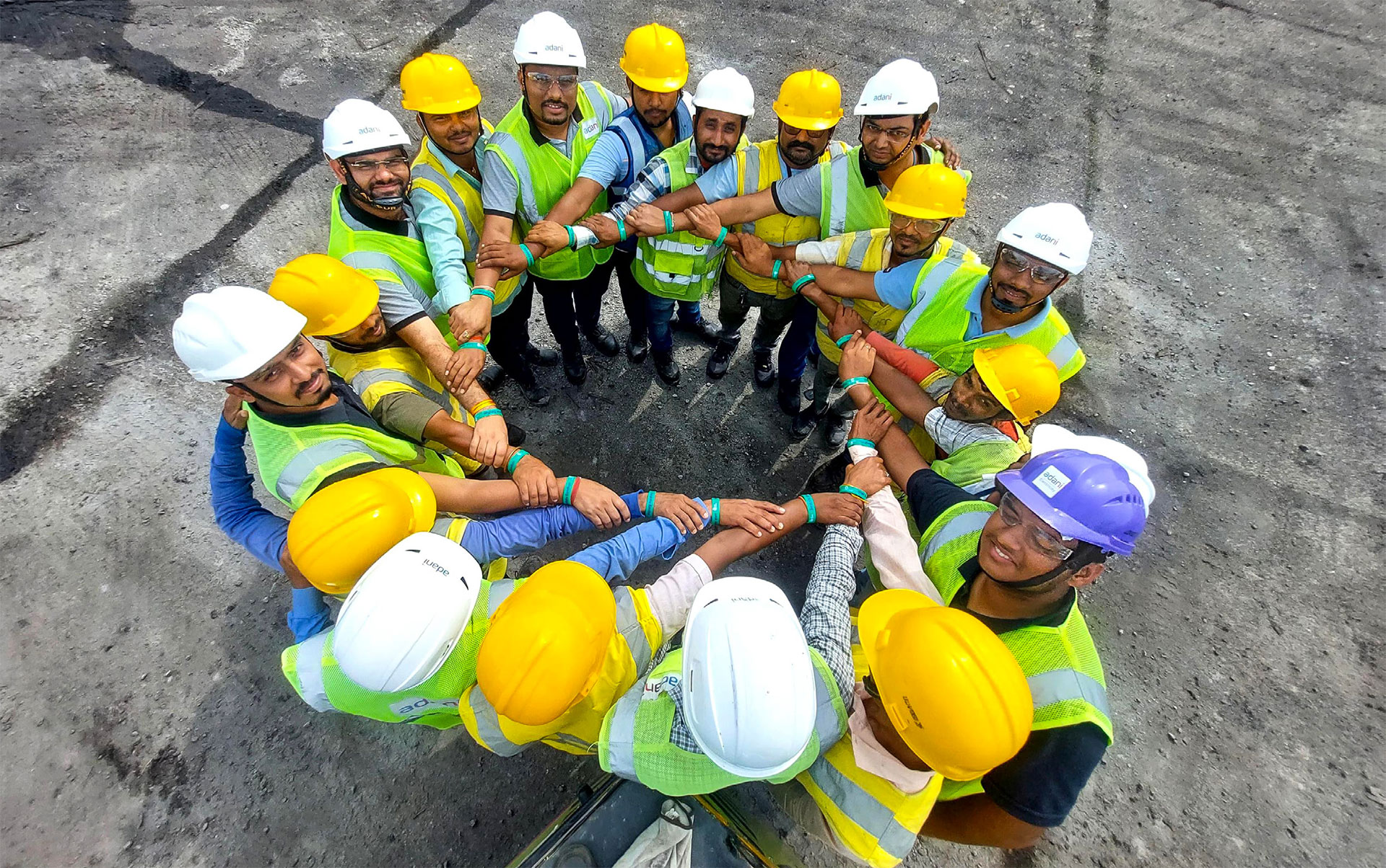
Adani Cement transformed the tradition of Suraksha Bandhan into a powerful, organisationwide safety movement in FY 2025-26. More than 1,07,000 people across 192 sites, including ACC's plants, projects, mines, logistics hubs, colonies, and schools participated by tying the Suraksha Band as a shared pledge of care and protection. Led by the leadership team and embraced by employees, partners and communities, the initiative reinforced safety as a way of life, strengthening unity, accountability and a lasting culture of care beyond the workplace.

Case Study

Reinforcing Daily Responsibility through the Safety Calendar

The Safety Calendar was introduced as a continuous reminder of the Company's commitment to safety. Designed to creatively integrate themes of safety, sustainability and innovation, it encourages employees to remain consistently engaged and mindful of their daily responsibilities in an interactive manner. Distributed across the organisation, the calendar reinforces key safety messages throughout the year.

Case Study

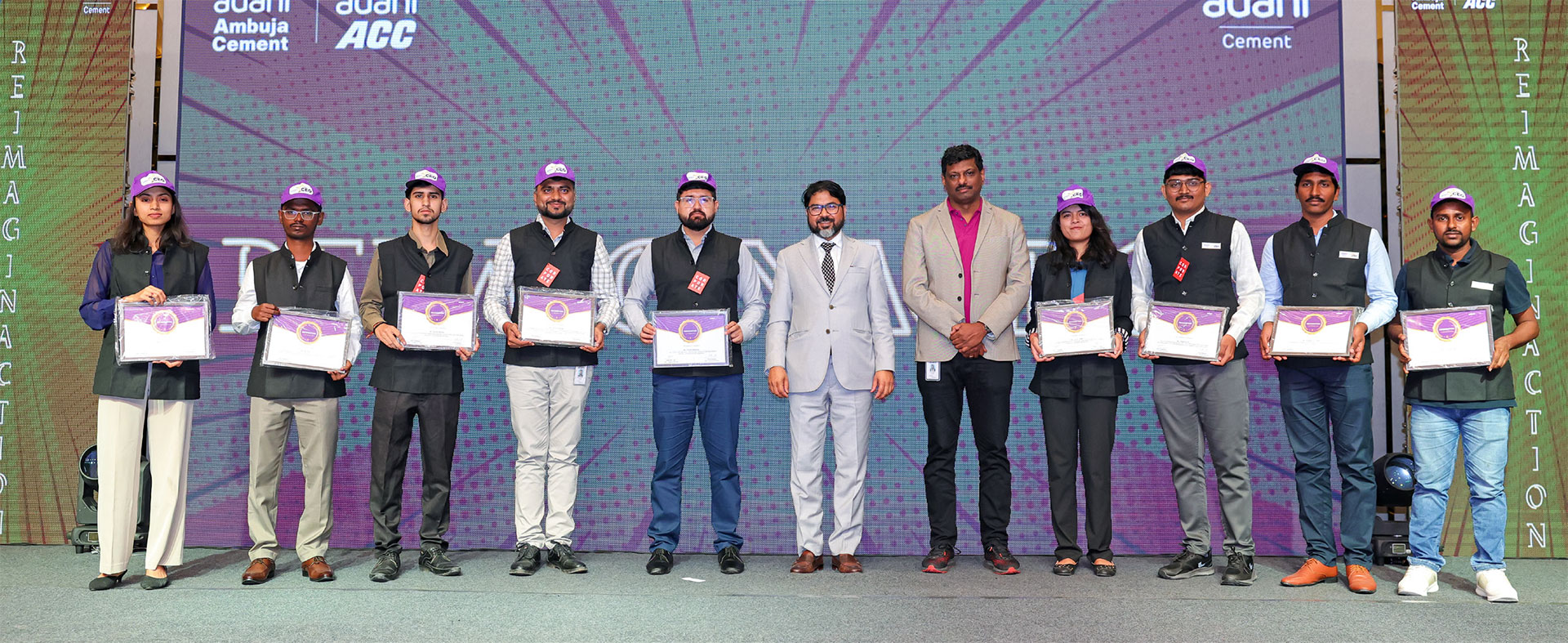
CEO Recognition for Safety Excellence

ACC, along with its parent company, Ambuja Cements, reinforced its 'Hum Karke Dikhate Hain' philosophy through a structured recognition programme that honours sites achieving key LTI-free man-hour milestones. Zero Harm sites across plants, mines, BCTs, RMX units and projects are recognised, reinforcing the belief that safety is a shared responsibility and that 'Zero is possible'.

Anchored by CEO Awards, the programme features four progressive levels—from Silver 1 Star (2 million man-hours) to Silver 4 Star (8 million)— providing a clear pathway to excellence. Leadership-led recognition, including direct acknowledgement by the CEO, enhances morale and visibility. The initiative has strengthened accountability, standardised safety practices and embedded a culture of vigilance, discipline and continuous improvement across operations.

Download
Facebook LinkedIn Website
Back To Top
PREVIOUS PAGE Intellectual Capital NEXT PAGE Natural Capital