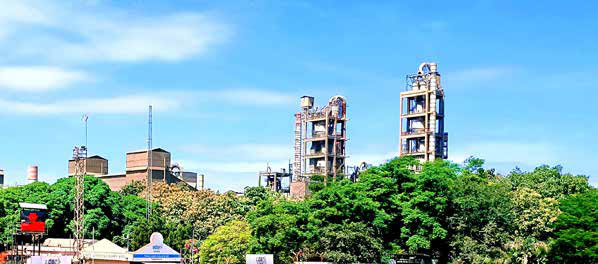
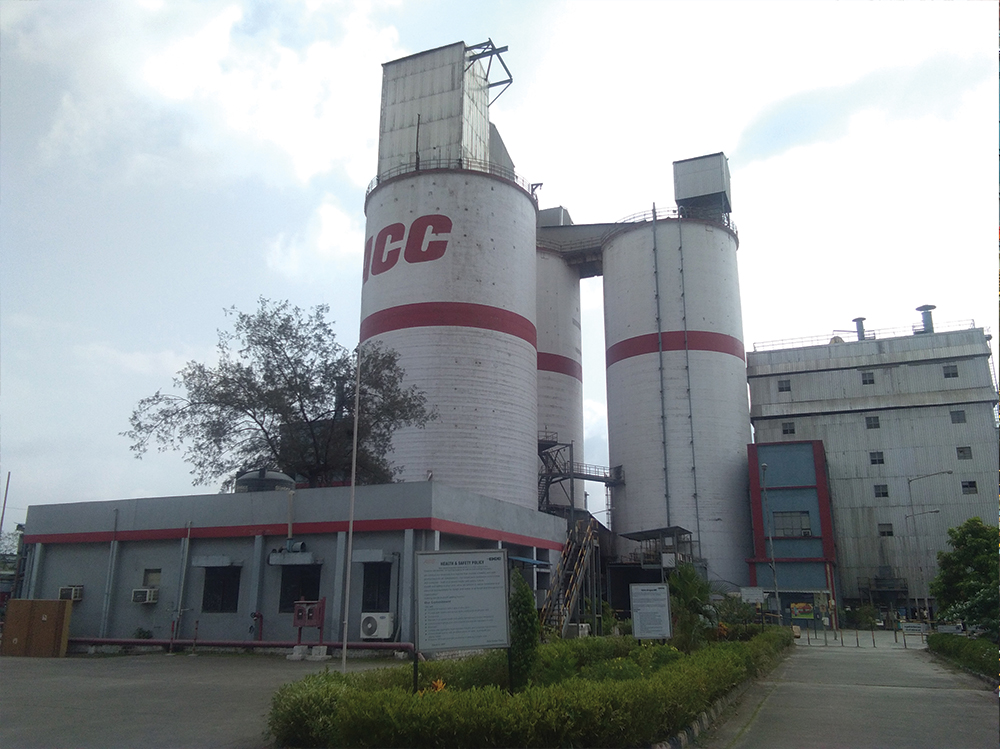
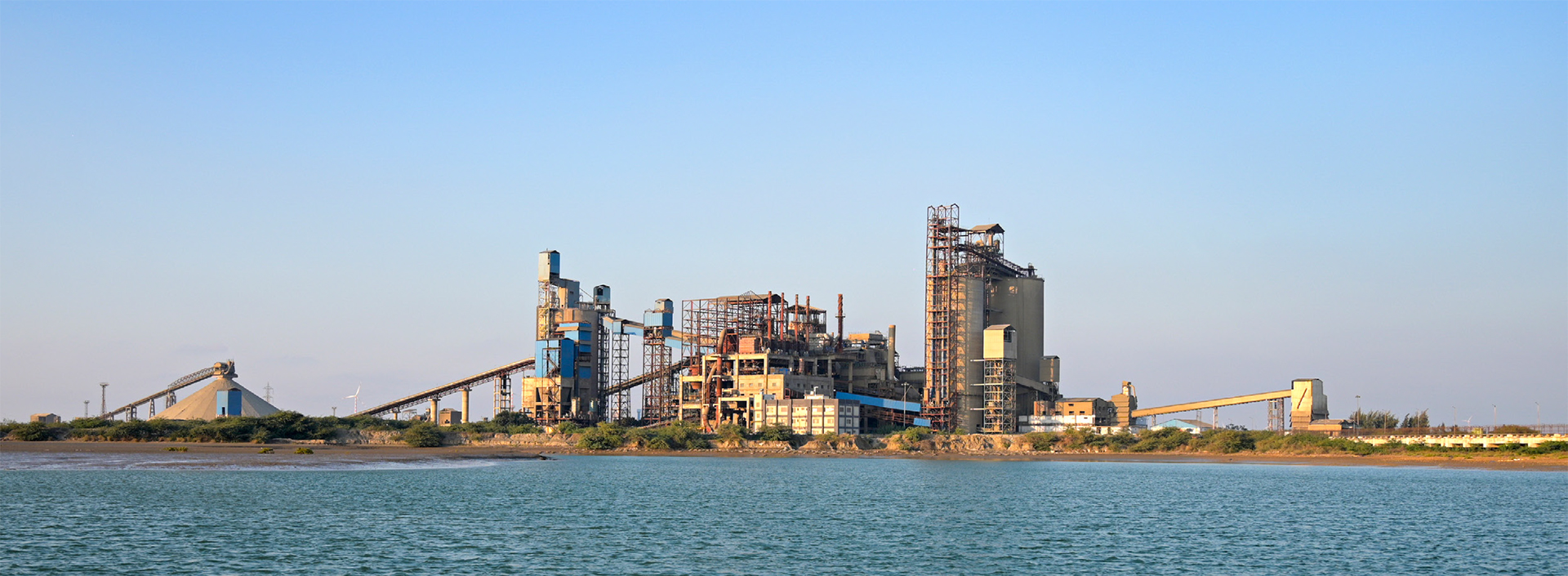
ACC leverages its core assets, such as land, buildings, production facilities, leased mines and equipment, to drive operational efficiency to support Adani Cement's targeted capacity of 119 MTPA by FY 2026-27 through balanced focus on greenfield and brownfield projects.
Material Topics
Strategic Priorities
Key Risks and Opportunities
Stakeholders Impacted
Suppliers
Employees
Government and Regulatory Bodies
Construction Professionals
SDGs Impacted
Capacity expansion projects across country:
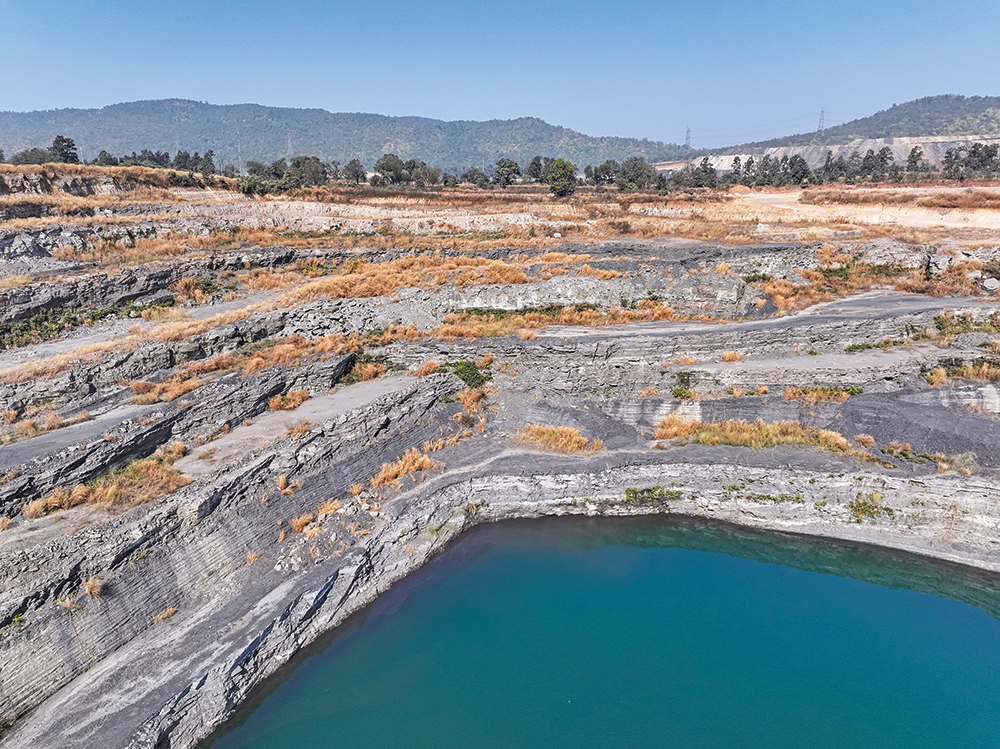
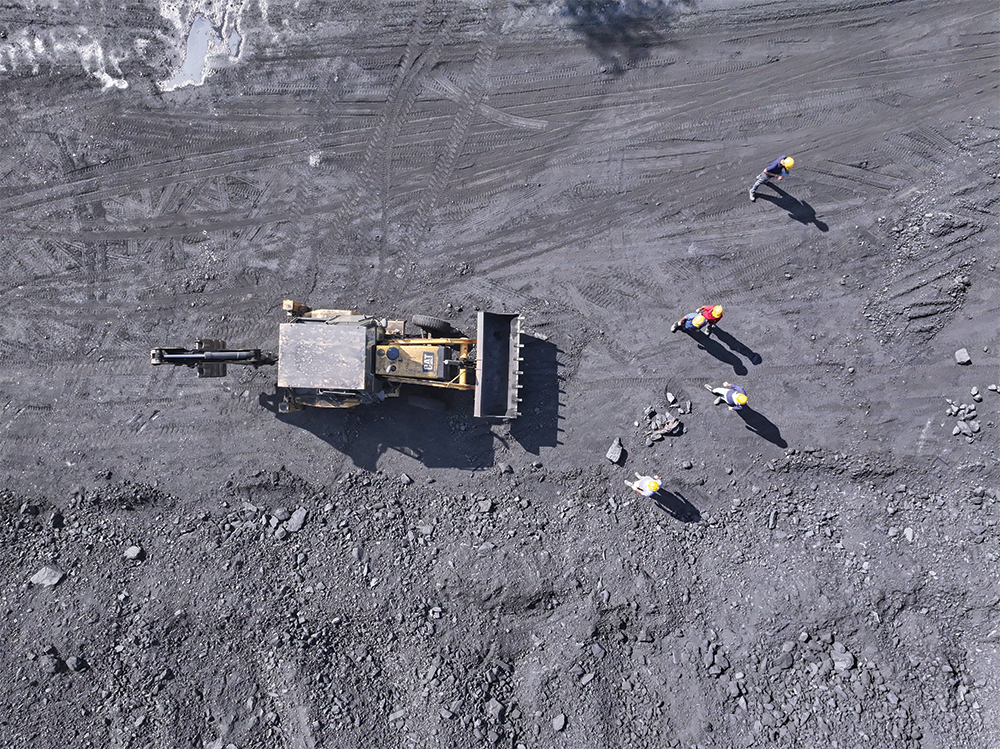
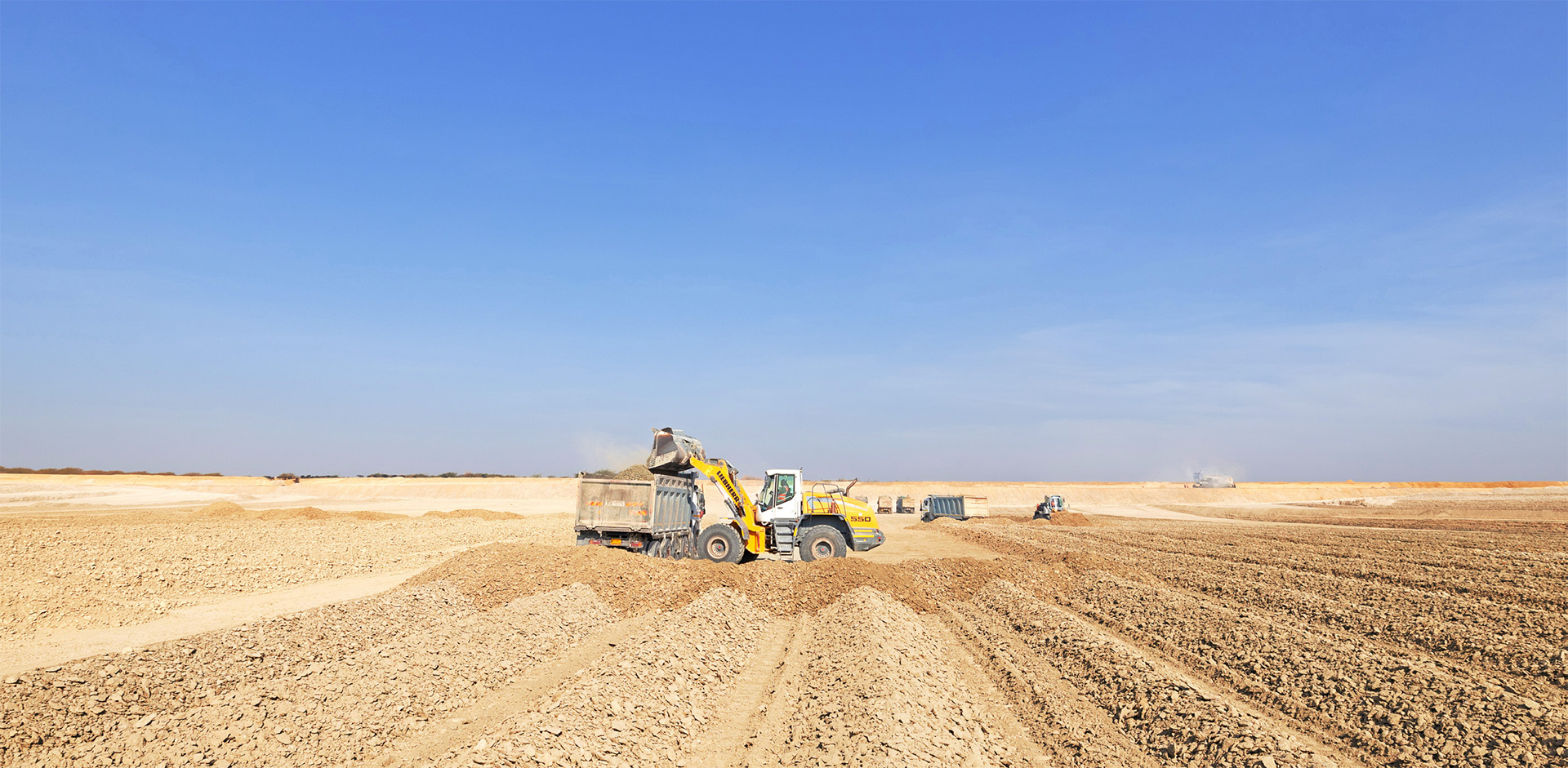
ACC sources essential raw materials, including limestone, clay and laterite, from its quarries. The Company employs advanced mining techniques to ensure the sustainable extraction of these resources while minimising environmental impact.
Once extracted, the raw materials are crushed and ground into a fine powder to ensure uniformity. They are then blended in precise proportions using automated systems to achieve the required chemical composition for ACC cement.
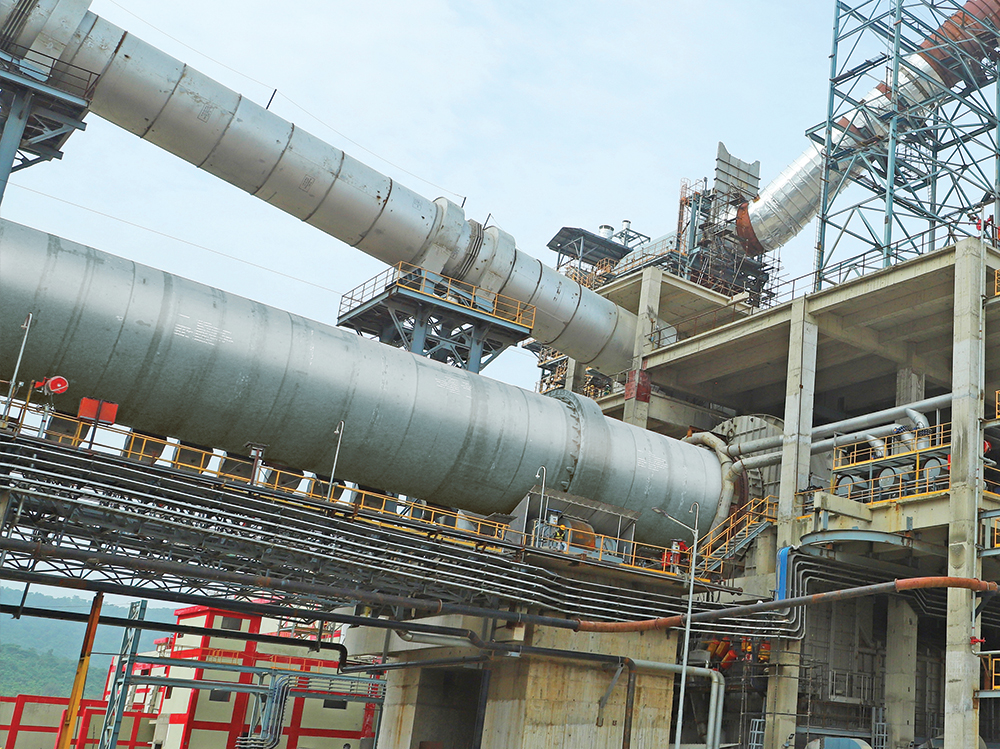
The blended raw material is fed into rotary kilns, where it is subjected to extremely high temperatures of approximately 1,400-1,500°C to form clinker, the key intermediate product in cement manufacturing. To enhance sustainability, ACC invests in alternative fuels and energy-efficient kiln technologies to reduce greenhouse gas emissions and overall energy consumption.
The clinker is cooled and then blended with gypsum and other additives before being finely ground in advanced grinding mills. This process results in the production of various types of cement, designed to meet a wide range of consumer requirements.
The Company leverages extensive market research and branding initiatives to differentiate its product offerings. ACC has built strong relationships with distributors, contractors and end users, ensuring a robust market presence, while also providing technical assistance to support customers and enhance value delivery.
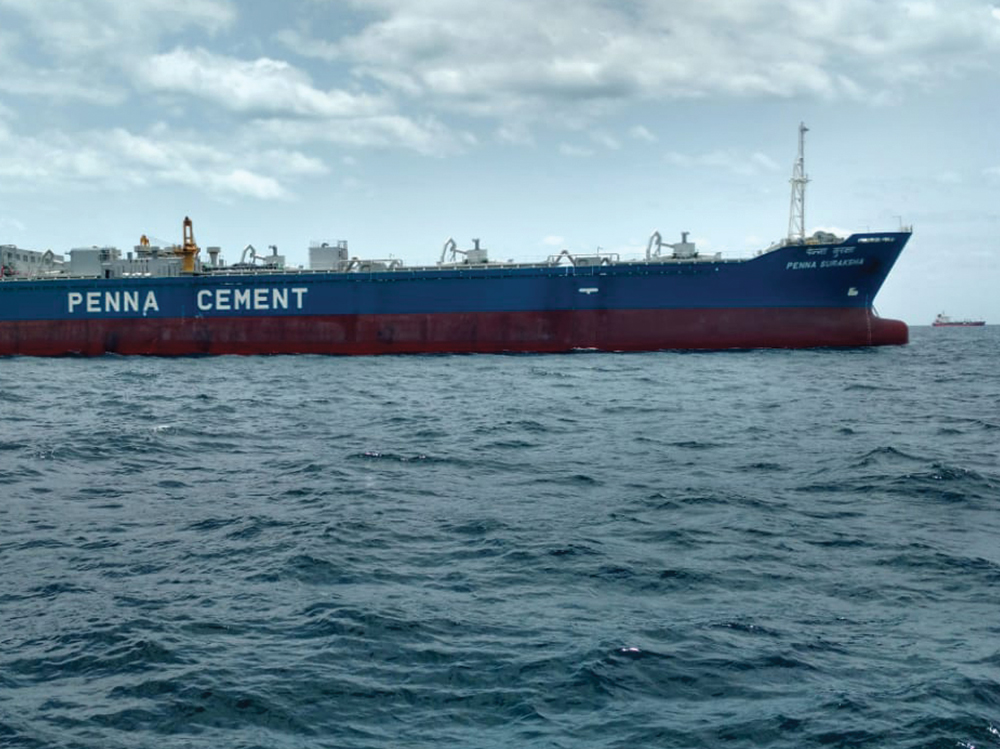
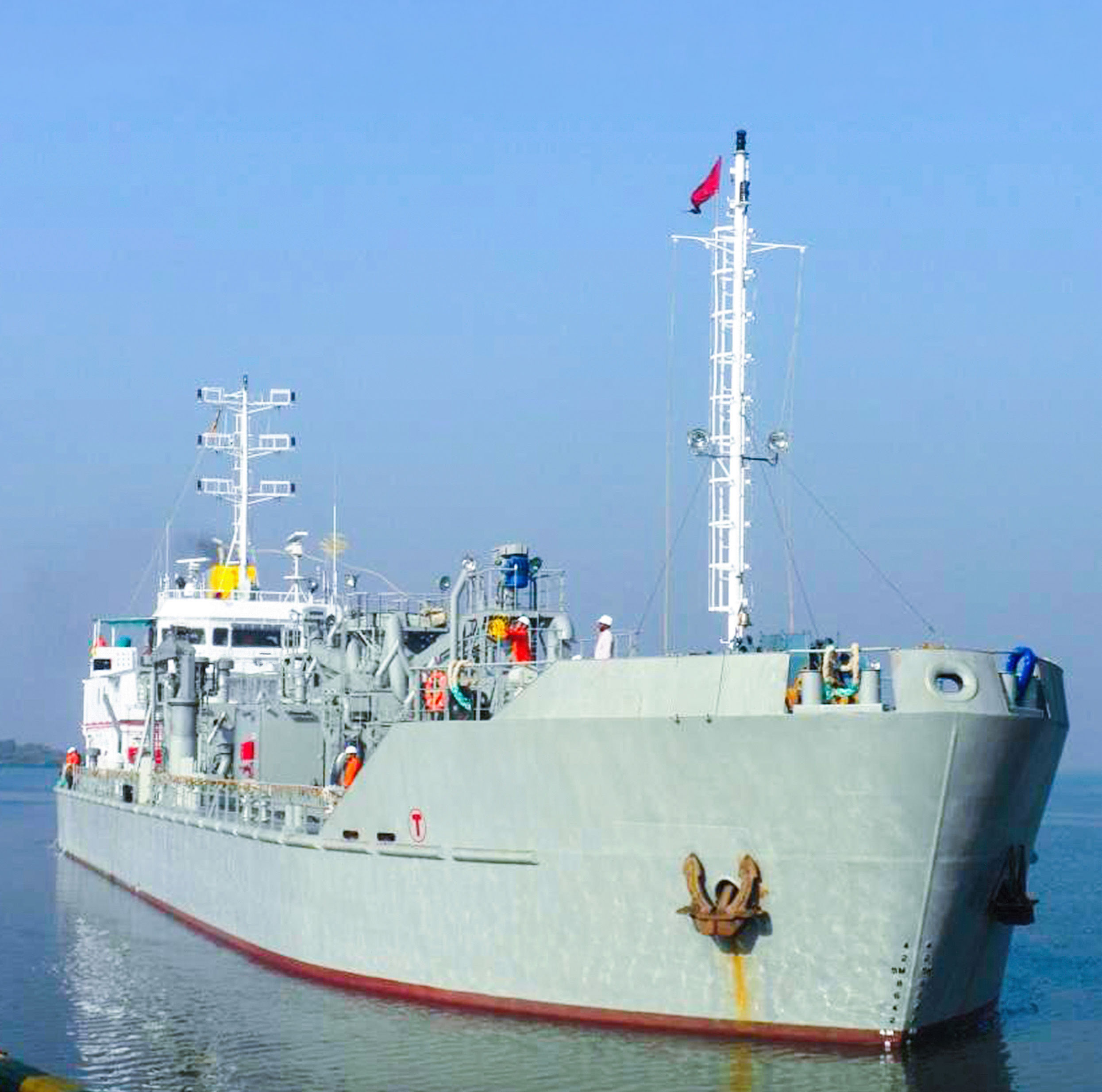
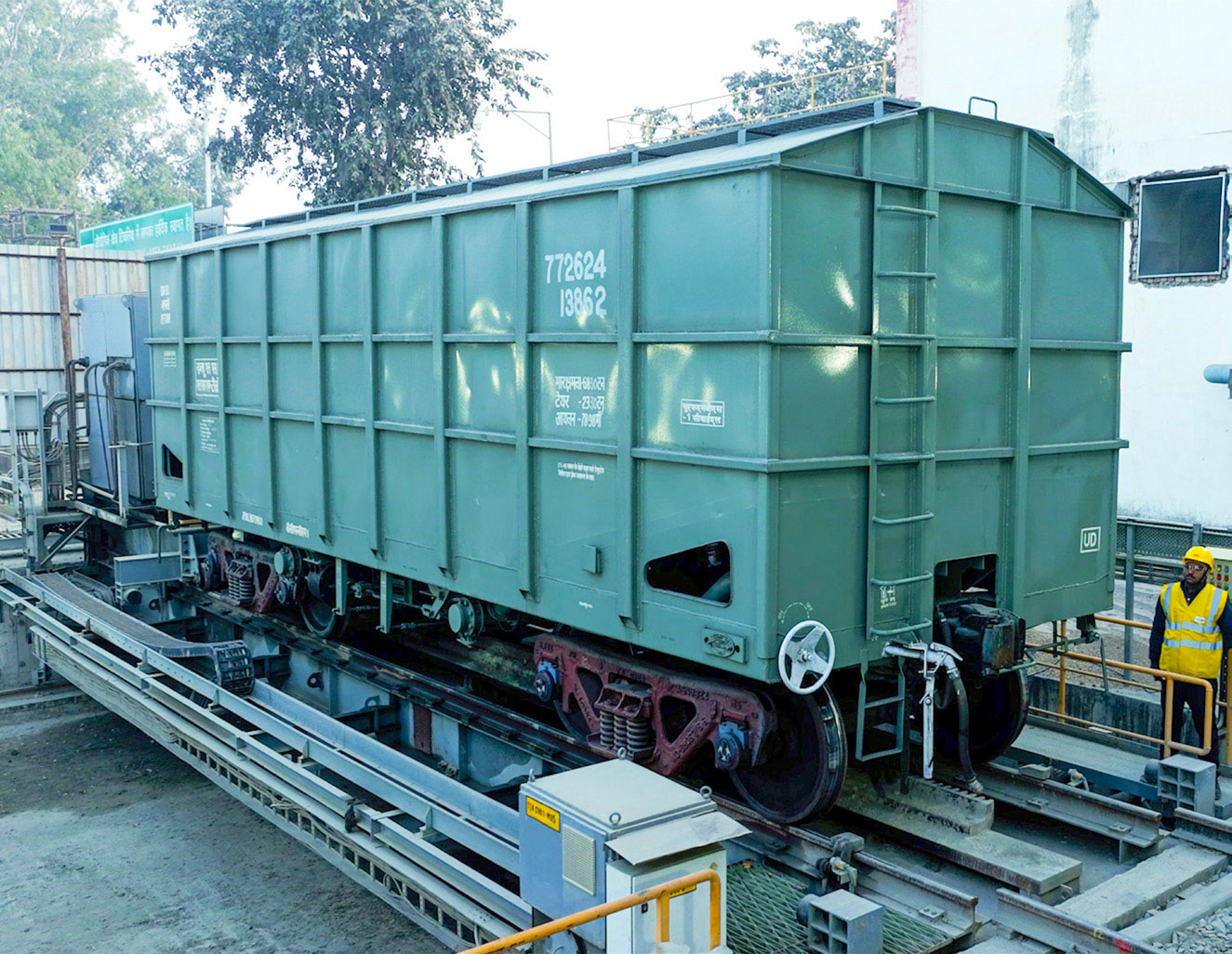
ACC ensures the timely delivery of cement to distributors and construction sites through its world-class logistics network. Depending on distance and shipment volumes, cement is transported by road, rail or sea, with advanced tracking systems used to optimise delivery routes and minimise logistics costs.
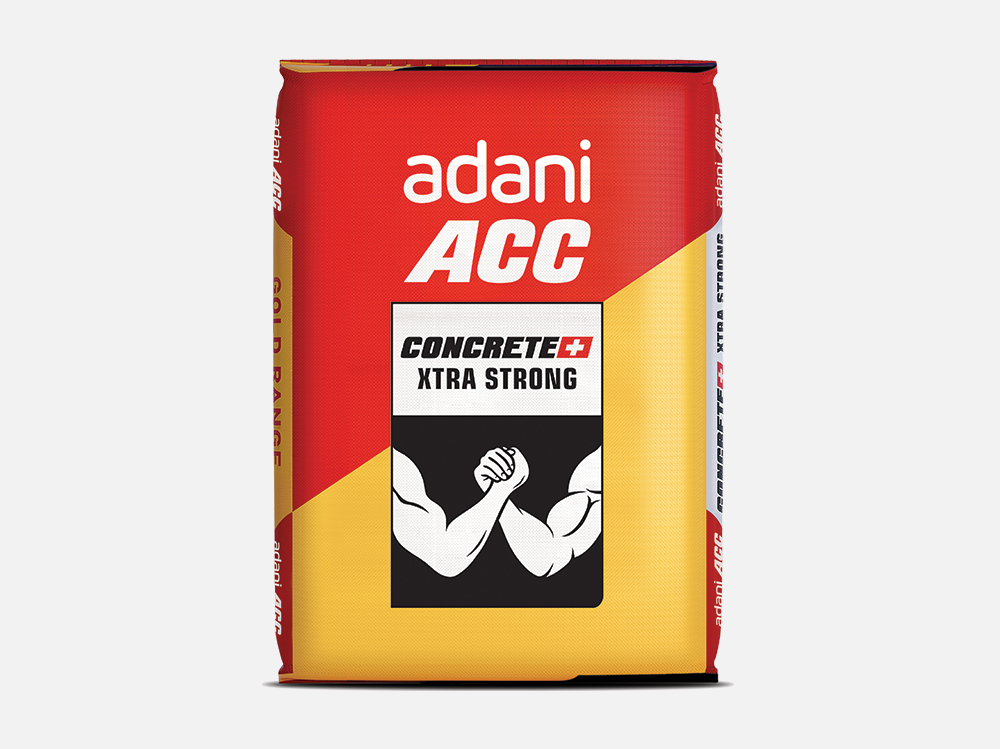
Once produced, the cement is either packaged in bags or dispatched in bulk, depending on customer requirements. ACC has established appropriate storage facilities to ensure product quality is maintained by preventing exposure to moisture and other contaminants.
Adani Cement has raised its FY 2026-27 target capacity to 119 MTPA in a structured and phased manner. With a clear ambition to be the lowest-cost cement manufacturer, the Company is strengthening its market presence through initiatives to improve operational efficiency, enhance cost competitiveness and advance environmental sustainability, thereby reinforcing its long-term competitive advantage.
ACC's parent company, Ambuja Cements accelerated its capacity expansion programme in FY 2025-26, with consolidated cement capacity reaching 109 MTPA during the year.
ACC alongside its parent company Ambuja Cements has strengthened its limestone resources, now estimated at 10.95 billion tonnes, securing long-term raw material availability and supporting sustainable, uninterrupted production.
ACC continues to invest strategically across its operations to strengthen market presence and build a sustainable cost advantage. The Company's efficiency-led strategy focuses on reducing clinker factor, enhancing energy performance, optimising raw material and fuel mix, strengthening power sourcing and increasing the utilisation of alternative fuels and raw materials. These initiatives are reinforced through digital enablement, including real-time process optimisation, predictive maintenance, advanced analytics and automated quality control systems that enhance reliability and operational precision. The integration of AI and advanced technologies across the value chain is strengthening plant-level efficiency while reaffirming cement's role as a catalyst for faster, future-ready growth. Supported by synergies across the Adani platform in logistics, energy, procurement and digital infrastructure, ACC is accelerating throughput, improving asset resilience and driving superior manufacturing efficiency to build a competitive, future-ready and sustainable production ecosystem.
To strengthen self-sufficiency and ensure long-term resource availability, ACC continues to secure critical raw materials through strategic acquisitions of coal and limestone mining assets. With access to substantial limestone resources and coal linkages to support plant operations, ACC remains well positioned to sustain its growth trajectory and support future capacity expansion, while continuing to focus on improving its cost discipline.
ACC is implementing multiple green energy contracts as part of its ongoing commitment to sustainability, ensuring alignment with the broader environmental objectives of the Group.
ACC's Rajpura plant has demonstrated that operational excellence is a necessity in the dynamic cement landscape. Through a condition-based, plant-specific transformation, the team adopted an innovative and collaborative approach to restore asset health within a short timeframe. Despite operating amid uncertainty, including the Indo-Pak conflict period, the initiative combined RESQ-aligned interventions with meticulous shutdown planning. Critical mechanical, electrical, instrumentation and automation upgrades were executed across core process areas, utilities and logistics infrastructure.
The results were immediate and measurable, with KPI comparisons between April and June 2025 reflecting marked improvement. Fugitive emissions, spillages and leakages were significantly reduced, while a 60% reduction in bag burstage was achieved through spiral chute installation. All activities were completed with zero harm. The plant is now poised for AWMS enhancement and the next phase of performance scale-up.
The Company strives to reduce logistics costs through increased digitalisation and a reduction in lead distances, enabled by optimised plant and warehouse networks. These initiatives are complemented by strategic capacity additions and the use of dedicated rail solutions under long-term arrangements to streamline the sourcing and movement of key inputs. Simultaneously, focused efforts are underway to enhance marine logistics by leveraging an extensive coastal footprint, supporting sustainable growth, lower emissions, improved handling of higher volumes and a structurally lower cost base across logistics operations.
ACC is poised to benefit from an MoU signed between Adani Cement and CONCOR in FY 2025-26 to expand rail-based bulk cement transportation using specialised tank containers. The collaboration will deploy dedicated container rakes across key rail corridors, leveraging Indian Railways' network to enable a modal shift from road to rail. This initiative aims to optimise logistics costs, improve efficiency and reliability, and support supply chain decarbonisation. It strengthens Adani Cement's journey towards becoming a lowest-cost producer and achieving net zero emissions by 2050, while aligning with India's COP26 commitments. The partnership also creates a pathway for establishing Bulk Cement Terminals in the future.
As organisations scale, competitive advantage increasingly depends not on size alone but on how effectively that scale is structured and managed. Adani Cement has reached this inflection point, where logistics is being redefined as a strategic driver of performance.
With an expanding manufacturing footprint and growing market presence, the Company is advancing its logistics transformation through Navgati—a strategic framework within the One Cement journey. Navgati represents a shift from logistics as a transactional support function to a core lever of competitiveness, reliability and value creation. The focus is no longer on network reach alone, but on delivering with greater precision, predictability and productivity.
At its core, Navgati aligns cement dispatches with the natural markets of manufacturing plants, enabling improved asset utilisation, reduced lead distances, optimised freight costs and enhanced service reliability. This approach balances cost efficiency with productivity, resilience and long-term value creation.
The transformation is enabled through system-driven governance and a unified operating framework across the logistics value chain. Advanced digital capabilities support a transition from reactive execution to predictive planning, while structural enablers— including DIGIPIN-based freight allocation, automation, GPSenabled tracking, centralised S&OP-driven demand planning, improved rail efficiency and increasing EV deployment—drive operational performance and sustainability. Supported by an integrated logistics backbone comprising GPS-governed fleets, captive maritime assets and multimodal infrastructure, Navgati strengthens resilience, enhances agility and improves service consistency at scale. Through this framework, logistics evolves from a cost centre into a sustained competitive advantage, reinforcing Adani Cement's ability to serve a rapidly growing nation with efficiency and discipline.
One Cement. One Integrated Network. One Standard of Excellence.
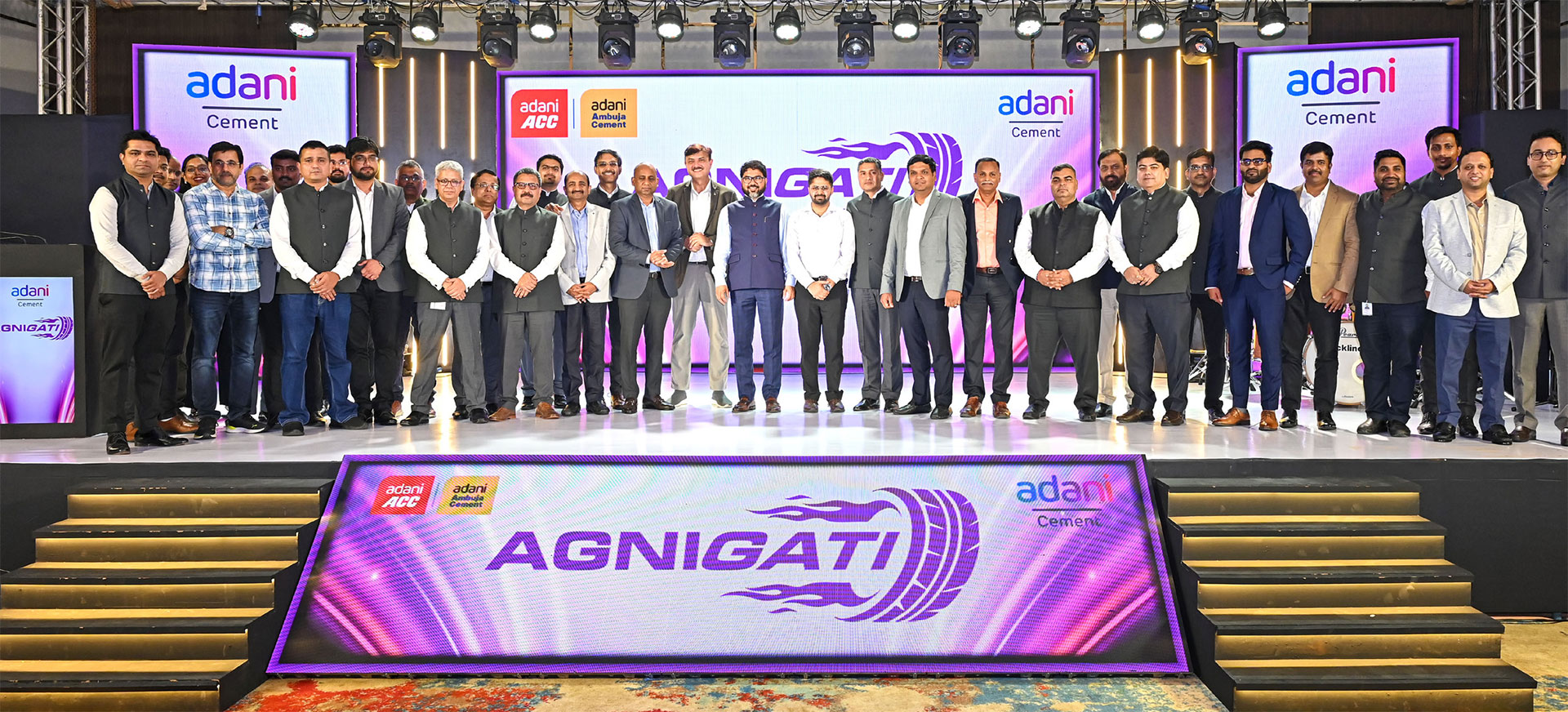
In FY 2025-26, Adani Cement hosted Agnigati, The National Logistics Meet 2025, a landmark event bringing together over 200 top-performing logistics partners from across India. The meet served as a collaborative platform to share the Group's vision of achieving a capacity of 119 million tonnes by FY 2026-27, while showcasing innovations shaping the future of logistics. Leading OEMs demonstrated next-generation electric trucks, reinforcing their commitment to sustainable mobility. Senior Adani leadership outlined strategic priorities centred on digitalisation, sustainability and partner empowerment.
The event also recognised outstanding logistics partners for excellence in performance, compliance and regional impact. Agnigati 2025 reaffirmed Adani Cement's commitment to building a high-performing, future-ready and environmentally responsible logistics network. ACC significantly benefits from Agnigati, which streamlines and optimises end-to-end delivery across warehouse and plant transport operations. By integrating key logistics functions into a single platform, Agnigati enhances operational transparency, improves turnaround times and ensures greater accuracy across the logistics value chain.
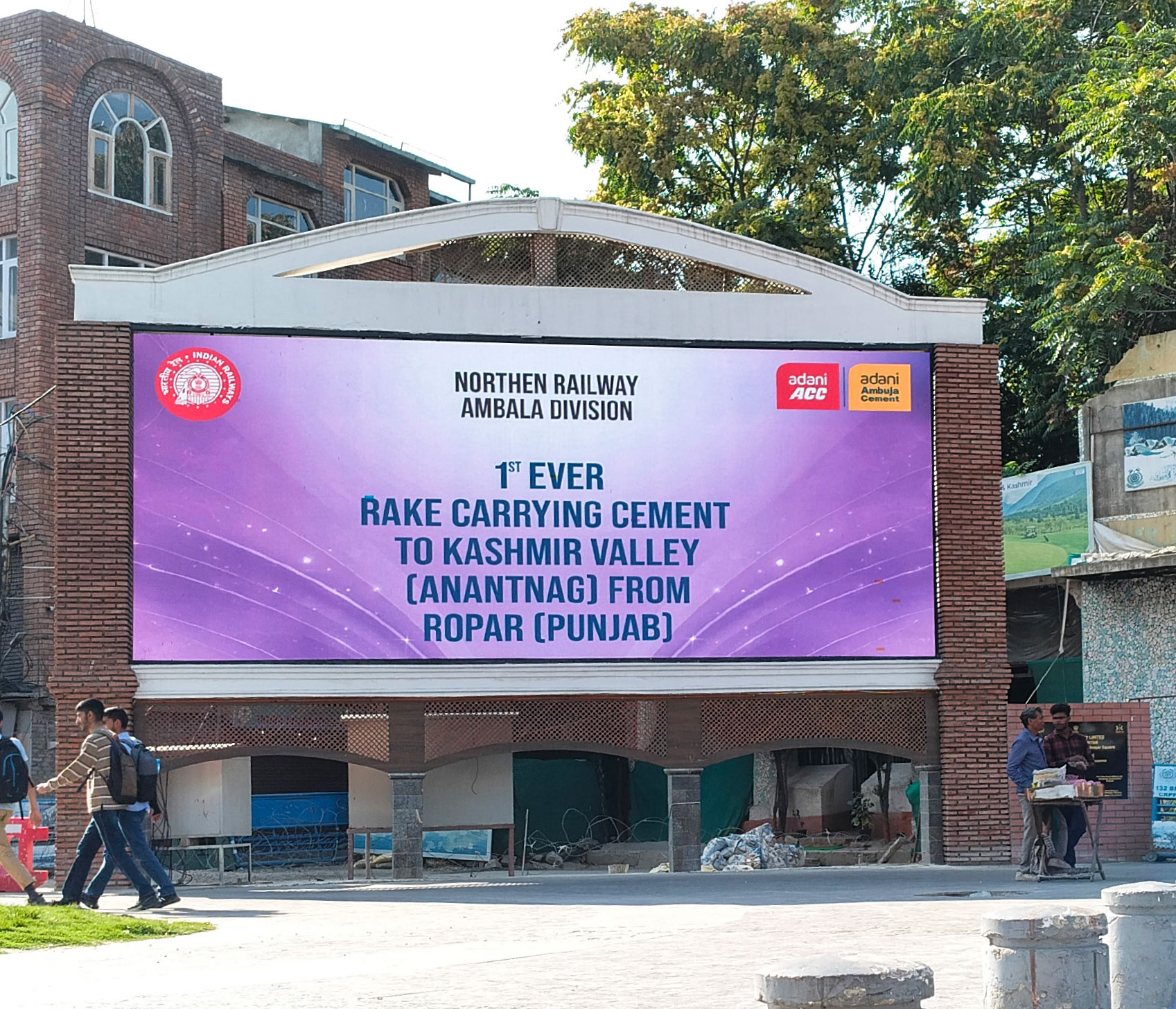
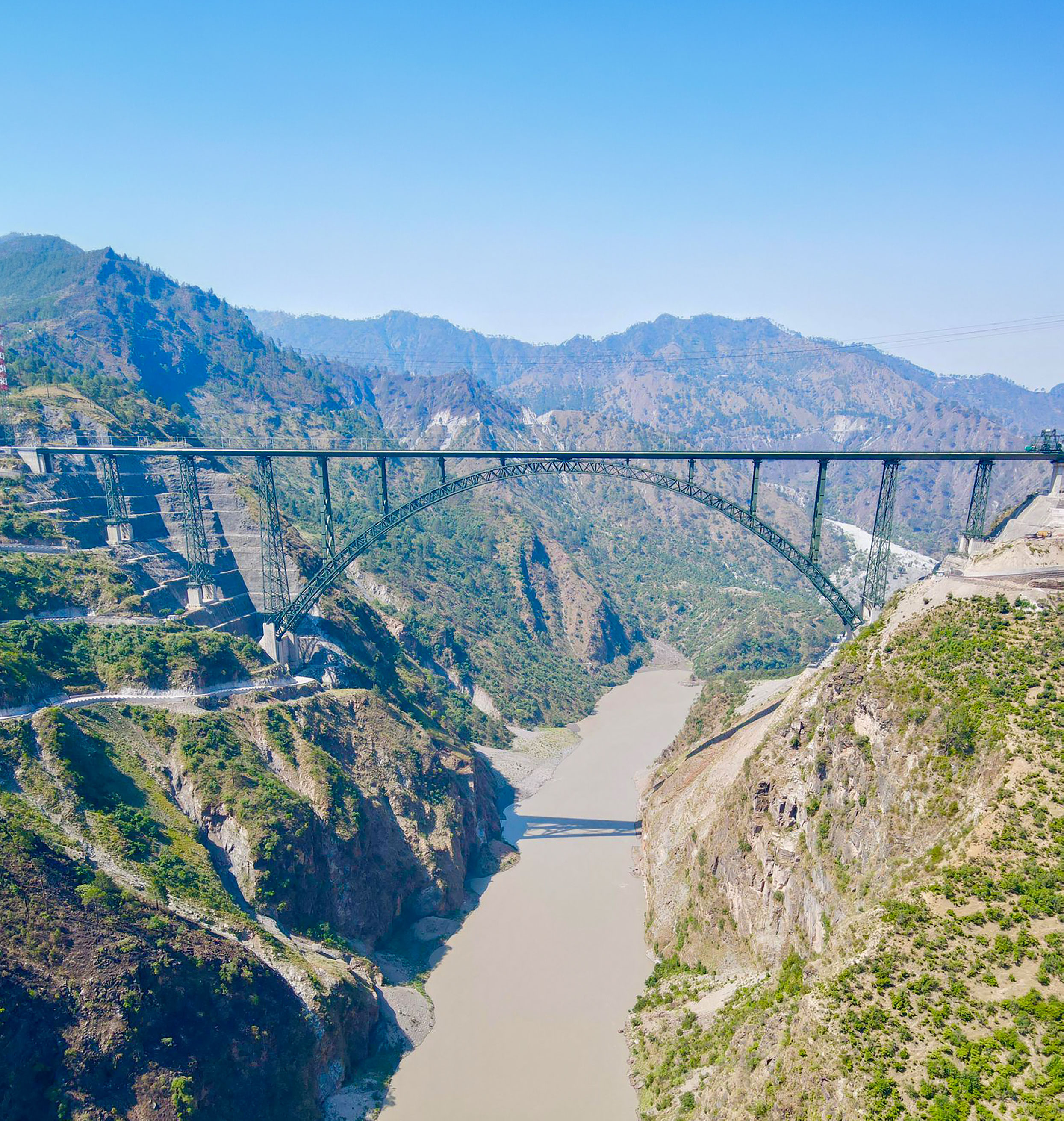
Adani Cement marked a historic milestone by placing the first cement rake into the Kashmir Valley via the newly commissioned Anantnag Goods Shed, travelling across the iconic Chenab Bridge. This achievement, alongside operations at one of the world's highest cement plants in Himachal Pradesh, reflects our capability in challenging terrains. The new logistics corridor enhances service reach, strengthens regional presence and supports critical infrastructure needs, reaffirming our commitment to connect India's most demanding geographies with reliable building solutions.
ACC is poised to benefit as Adani Cement's increase marine logistic share, supported by the induction of seven new vessels with a combined capacity of 65,000 DWT. Key initiatives include a strategic partnership with CONCOR, the deployment of GPS-enabled and electric trucks, the development of 10 bulk cement terminals and the establishment of seven port-based grinding units. The logistics roadmap will also incorporate defined logistics cost targets and the addition of BCFC rakes to further enhance efficiency and sustainability.
ACC is well positioned to benefit from Auto Order Allocation, which is transforming logistics operations through a system-driven, unbiased approach to freight management. Using rules-based logic, the solution automates truck allocation to optimise cost-to-serve and eliminate manual intervention. This advanced mechanism enables bias-free decision-making, round-the-clock availability, competitive freight rates and faster execution.
With the implementation of Electronic Proof of Delivery (ePOD) and touchless freight billing, the entire billing process has been fully digitised, eliminating physical touchpoints and manual dependency. System-based checks have reduced bill processing time from 15 days to just one day, offering vendors hassle-free submissions, quicker reconciliation and timely payments. Alongside this, data-led freight rate optimisation across key plants has delivered significant savings.
ACC has implemented several initiatives to overcome the volatile external cost environment and optimise costs across operations while strengthening long-term sustainability. Fuel costs have been reduced through greater use of alternative fuels, supported by the installation of Chlorine Bypass Systems and additional shredding facilities, alongside strategic procurement negotiations. Maximisation of renewable energy through solar and wind projects has delivered significant savings, while the installation and commissioning of Waste Heat Recovery Systems (WHRS) across all viable kiln lines has optimised electricity costs. Heat and electrical energy consumption are being lowered through modern, high-efficiency clinker coolers, advanced drives and motors and rigorous process audits, benchmarking and optimisation. In parallel, a consolidated approach to transportation and logistics, combined with high-level control systems and advanced tools is enhancing kiln and mill performance, improving productivity and reinforcing ACC's cost competitiveness.
ACC has established dedicated Driver Management Centres at each plant, staffed by trained safety professionals to safeguard the wellbeing of drivers associated with the Company. These centres deliver defensive driving programmes, GPSbased monitoring and behaviourfocused safety counselling, while strengthening road safety awareness through targeted campaigns and stakeholder engagement.
Beyond operational safety, the centres prioritise driver health and dignity through regular medical check-ups, vision screenings, access to nutritious meals, clean rest facilities and hygienic sanitation infrastructure. Recognising drivers as critical partners in the value chain, ACC upholds a culture of respect and care for them and their families. By enhancing road safety standards and improving quality of life, the Driver Management Centres contribute to safer communities and reflect the Company's commitment to responsible and people-centric operations.
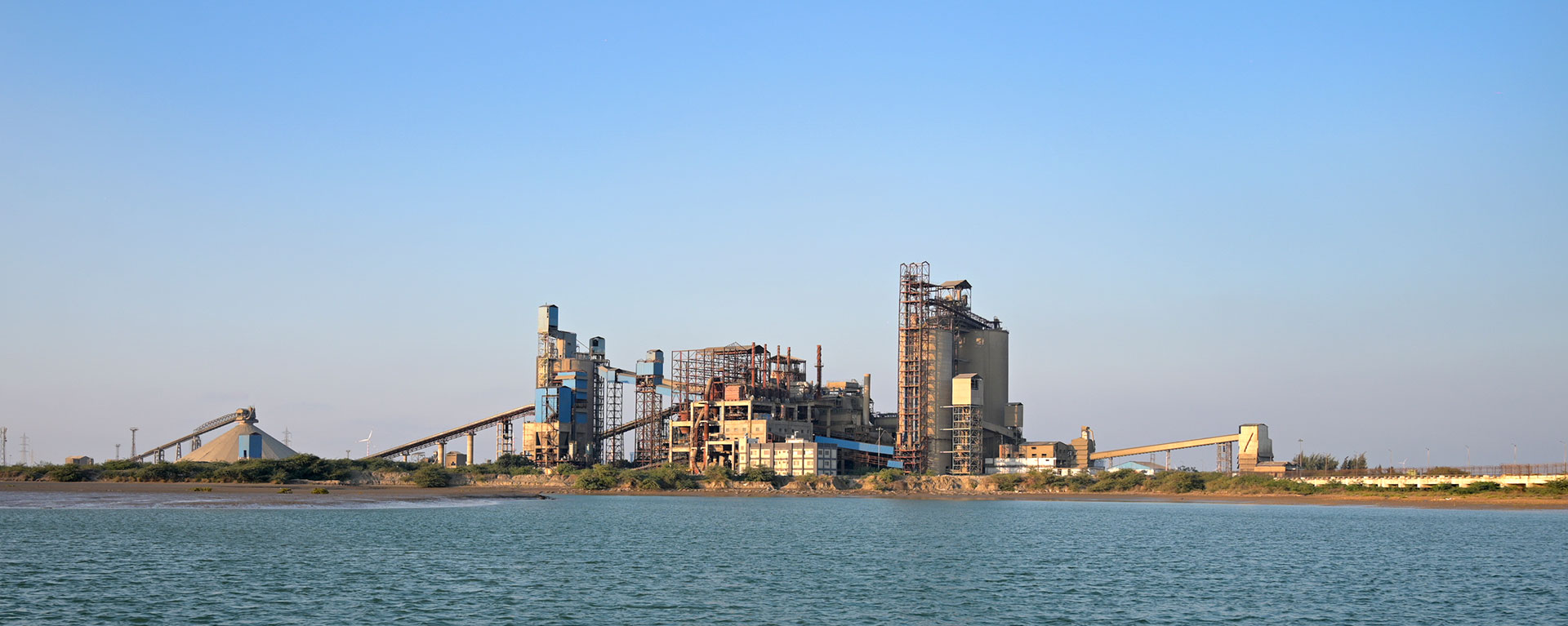
The Company has adopted worldclass manufacturing standards by integrating advanced technologies, optimising production processes and upholding rigorous quality control measures. It remains focused on improving operational efficiency, reducing costs and further minimising its environmental footprint.
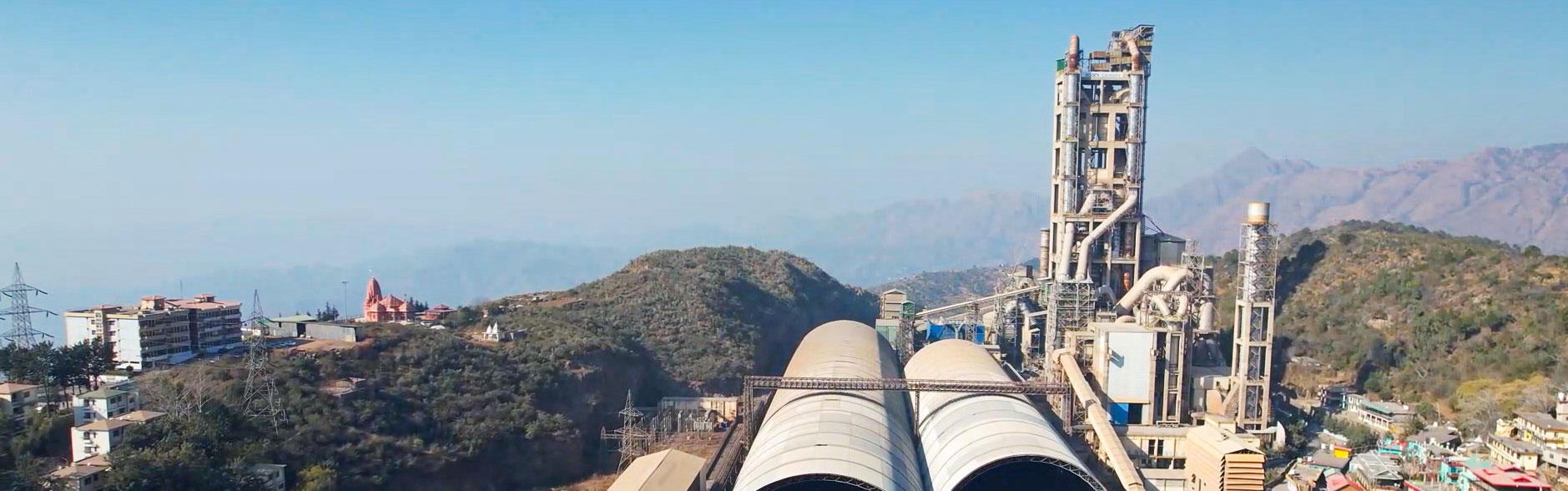
Located in Himachal Pradesh, Ambuja Cement's Darlaghat and ACC's Gagal plants exemplify engineering excellence and sustainable manufacturing. Darlaghat, the world's highestaltitude cement plant, leads in clinker production, while Gagal advances renewable energy use and biodiversity conservation. AI-enabled operations and emission-control systems strengthen performance. Beyond operations, initiatives in water stewardship, livelihoods, women's empowerment, skills training, education and healthcare drive inclusive community development, demonstrating how industrial scale can meaningfully align with environmental responsibility and social progress.
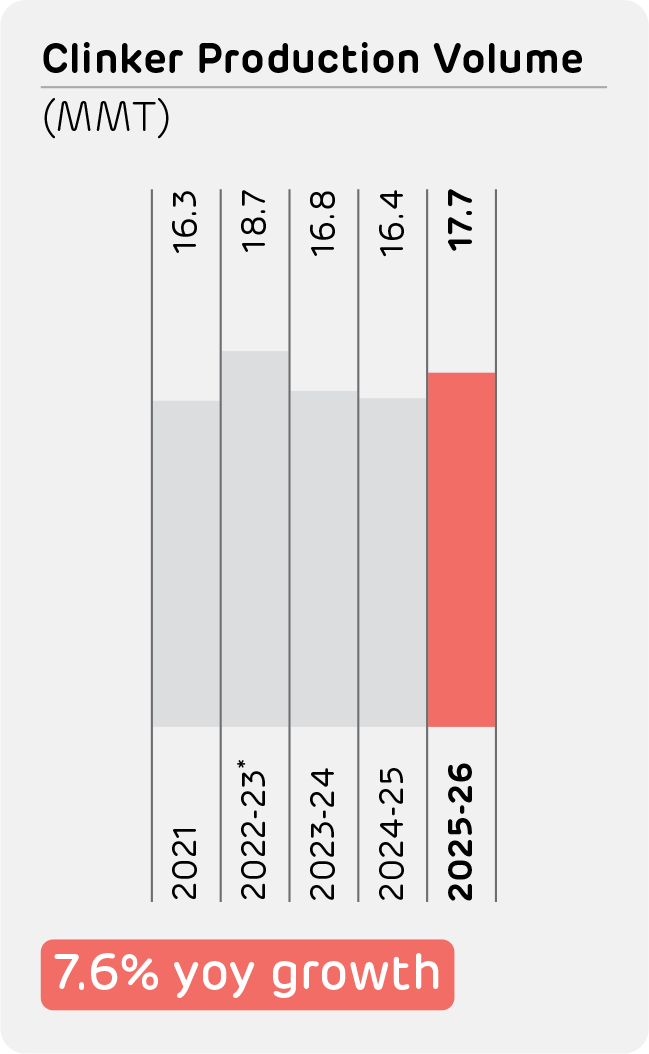
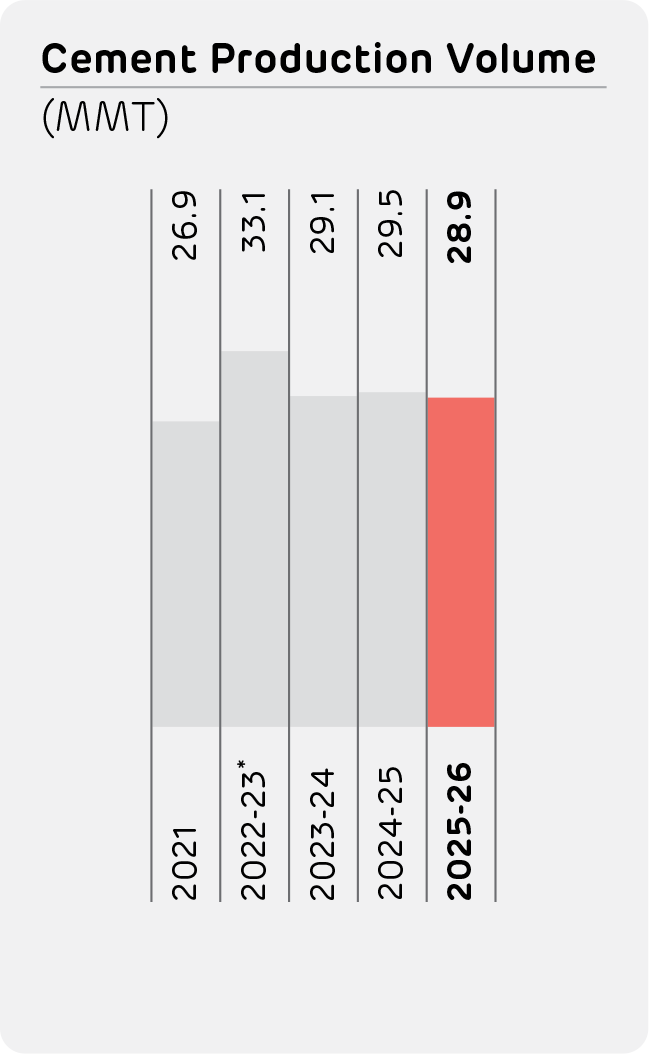
*The Company has changed its financial year ending from December to March 31. FY 2022-23 was for 15 months (January 01, 2022 - March 31, 2023). Therefore, the data for FY 2023-24, FY 2024-25 and FY 2025-26 is not comparable with the figures for the previous 15 months year ended March 31, 2023.
The operational launch of Navi Mumbai International Airport represents the fulfilment of a major national infrastructure vision achieved through scale, precision and disciplined execution. Projects of this complexity require dependable materials, strong partnerships and proven delivery capabilities. As the lead cement supplier, Adani Cement played a vital role in supporting critical structures, airside pavements and essential infrastructure. The project demonstrates how engineering expertise, quality materials and timely execution collectively advance regional connectivity, economic growth and India's expanding presence in global aviation.
Adani Cement played a defining role in constructing the Chenab Railway Bridge, the world's highest railway bridge and a landmark in India's infrastructure story. As lead supplier, the Company delivered nearly 65,000 metric tonnes of premium OPC 43 Grade cement, designed for exceptional strength, durability and consistency. In a challenging seismic and climatic zone, the materials met the highest standards of reliability. This achievement reflects the Company's promise to deliver quality that endures when performance matters most.
GCV/NCV Integration with TIS: Integrated Gross and Net Calorific Value measurements with LIMS for accurate, real-time fuel quality tracking.
CTM Integration with TIS: In addition to Coal/Fuel testing with LIMS, the Company have also introduced LIMS connectivity for automatic data transfers in packaging cement bags testing as well as physical testing of cement.
Heat Accounting Application for Coal: Developed a Heat Accounting app to track coal's heat value, enhancing fuel efficiency and identifying improvement areas.
IoT Vibration Analytics: Monitor equipment in realtime, predicting failures and reducing downtime.
App-Based WBI Reporting: Enabling real-time tracking of maintenance activities and improving team coordination and efficiency.
Cement Bag Tracking: Monitor movement from production to delivery, improving inventory management and reducing losses.
In-Plant Logistics: Optimise material movement, reducing delays and ensuring timely delivery across departments.
CCTV-AI for Print Anomaly Detection: Identify defects and ensure only high-quality bags are dispatched.
CCTV-AI for Bag Counting: Providing real-time data and reducing manual counting errors to enhance inventory accuracy and efficiency.
Chat GPT-Based Solution Operator: Assist production teams with real-time support, optimising processes and reducing downtime.
HLC (High-Level Control) for Kiln Mills: Improving performance, energy efficiency, and product quality while reducing operational costs.
The Company's commitment to sustainable operations is evident in its persistent emphasis on improving equipment productivity, minimising environmental impact from mining activities and optimising fleet operations through strategic negotiations and reduced stock rehandling. To further enhance efficiency and sustainability across its mining operations, the Company has implemented the following measures:
Utilising no-blast techniques with surface miners in coastal areas.
Adopting policies to maximise resource efficiency.
Implementing rigorous safety measures throughout mine development and operations.
Deploying mining equipment designed to minimise occupational hazards.
Blending low-grade and high-grade materials to extend mine life and optimise resource use.
Prioritising the responsible use of minerals, water and natural resources.
ACC maintains consistent product quality through a robust quality management system and its stateof- the-art cement and concrete R&D laboratory in Navi Mumbai. Focused on innovation and sustainability, the Company has maximised the use of low-grade limestone and replaced natural gypsum with cost-effective by-products, without compromising quality. Additionally, advanced techniques have enhanced blended cement quality across all plants, reduced the carbon footprint and strengthened market-led product development. Automation in testing and benchmarking has ensured data accuracy and standardisation, reflecting ACC's commitment to continuous improvement and operational excellence.
As an industry pioneer, ACC continues to drive future-ready initiatives and advanced energy management, delivering high-quality cement at competitive prices while driving responsible growth and longterm stakeholder value.
ACC adopts the latest technologies to enhance manufacturing efficiency, safety and oversight continuously. Drone-based solutions are deployed across a wide range of operational applications, including non-intrusive inspections, structural assessments and monitoring of highrisk or hard-to-access areas. Thermal imaging supports the surveillance of heat-intensive zones, while drone-enabled volumetric analysis improves the accuracy of stockpile measurements across covered and open storage areas.
Beyond operational efficiency, drones play a vital role in strengthening safety and governance by monitoring compliance with safety protocols, supporting shutdown activities, improving housekeeping standards and enhancing site security. They are also used for area mapping, internal and external surveys and inspections within confined or inaccessible spaces, enabling safer, faster and more informed decision-making across operations.