Home Strategic Review Materiality Assessment
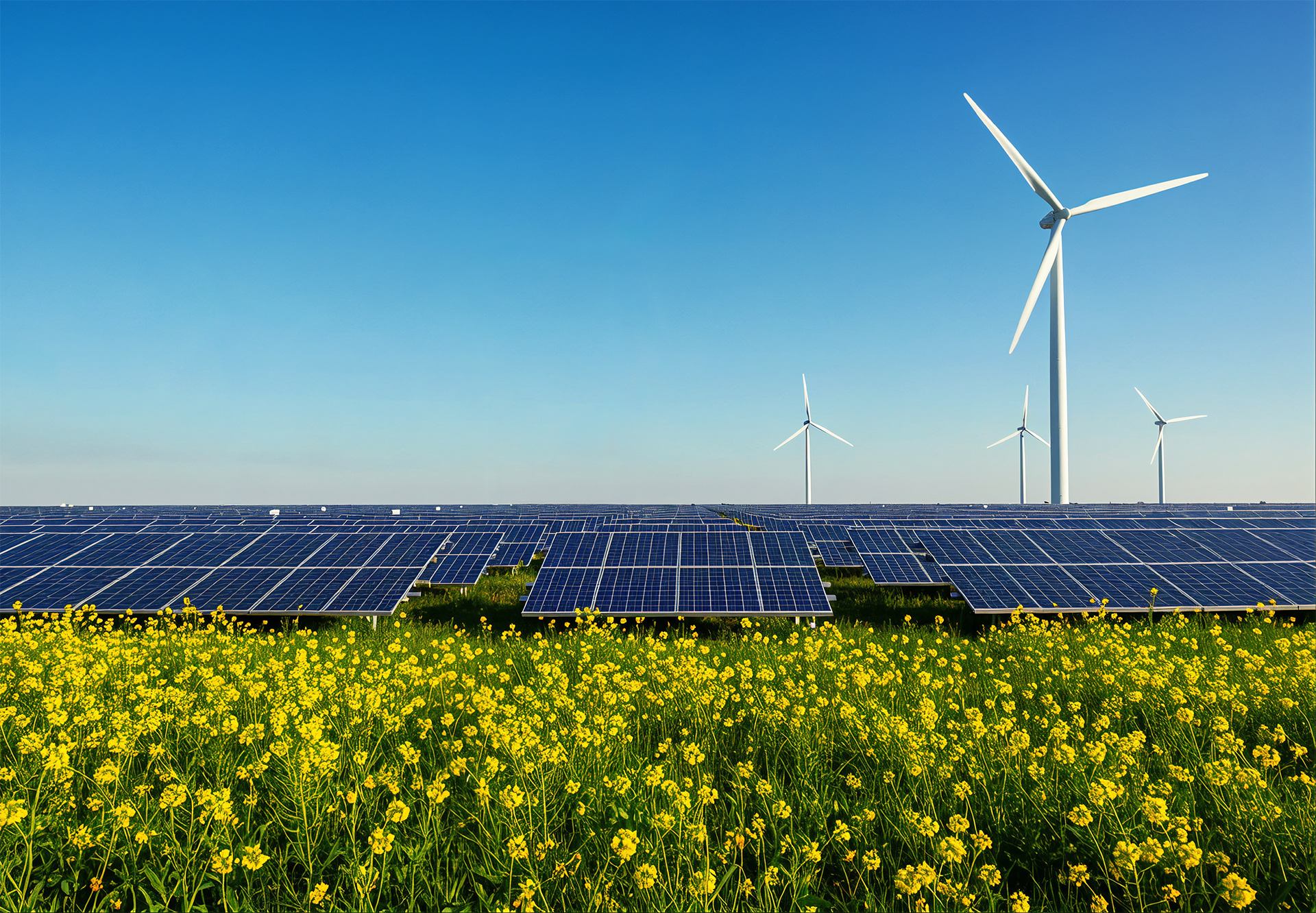
Solar panels and renewable energy infrastructure
Materiality Assessment

Determining Key Business Priorities

By incorporating insights from both management and stakeholders, ACC identifies and validates the key factors impacting the business, environment and society. During the reporting period, material topics were re-evaluated to align with evolving expectations, industry dynamics, and sustainability commitments.

The Company adopts a double materiality approach, evaluating sustainability matters through two linked lenses: the first considers the wider environmental and social effects of ACC's activities, while the second evaluates the impact of ESG factors on the Company's financial performance, operational efficiency and risk profile. This dual-lens assessment embeds material issues into strategic planning and the ERM framework, strengthening long-term value creation and organisational resilience.

Materiality Process
Analyse
Gain a complete understanding of ACC's operational context, applicable regulations, sustainability landscape, and stakeholder expectations—both internal and external.
Determine
Identify actual and potential impacts arising from products, activities, and stakeholder relationships, categorising them as positive or negative based on due diligence and periodic assessments.
Evaluate
Assess the severity and likelihood of each impact to determine its significance to the business and stakeholders.
Emphasise
Leadership reviews and prioritises significant impacts, categorising them into focused material topics for action.
Authenticate
Updated material topics are reviewed and finalised in consultation with senior management to ensure complete alignment with strategic objectives.

Material Issues for Enterprise Value Creation

The Company has prioritised 15 material topics critical to its business and aligned them with Key Performance Indicators (KPIs) to strengthen integration with the ERM framework for ensuring long-term success. ACC reviews these material topics annually to ensure continued alignment with evolving business objectives.

Environment (E)

Material Topics GRI Topics Impacts Identified Key Performance Indicators SDGs at Play
E1 Climate & Energy
  • Energy
  • Emissions
  • Rise in global warming
  • Dependency on fossil fuels
  • Carbon emission
  • Energy Consumption (within the organisation)
  • Energy Intensity
  • Reduction in Energy Consumption
  • Direct (Scope 1) GHG Emissions
  • Energy Indirect (Scope 2) GHG Emissions
  • Other Indirect (Scope 3) GHG Emissions
  • GHG Emissions Intensity
SDG 1 SDG 2 SDG 3 SDG 4
E2 Air Quality
  • Emissions
  • Human health deterioration
  • Dust and air pollution
  • Oxides of Nitrogen, Sulphur and other significant air emissions
SDG 11 SDG 13 SDG 15
E3 Water Management
  • Water and Effluents
  • Reduced dependency on natural water resources
  • Water scarcity
  • Total Water Withdrawal
  • Water Discharged
  • Water Consumption
SDG 6 SDG 14
E4 Circular Economy
  • Waste
  • Industry waste minimisation
  • Natural resource conservation
  • Waste Generated
  • Waste Diverted from Disposal
  • Waste Directed to Disposal
SDG 7 SDG 12
E5 Biodiversity
  • Biodiversity
  • Ecosystem conservation
  • Operational sites with high biodiversity value
  • Conservation efforts across locations
  • Species preservation
  • Number of trees
SDG 14 SDG 15
E6 Sustainable Construction
  • Non-GRI Topic
  • Reduction in emissions and negative environmental impacts
  • Percentage of blended cement used
  • Reduction in carbon-footprint
SDG 9 SDG 11 SDG 12

Social (S)

Material Topics GRI Topics Impacts Identified Key Performance Indicators SDGs at Play
S1 Human Capital Development
  • Employment
  • Training and Education
  • Improved productivity and performance
  • Average hours of training per year per employee
  • Programmes implemented and assistance provided to upgrade employee skills
  • Employees receiving regular performance and career development reviews
  • Benefits provided to full-time employees to take care of their health, family, and death/disability
  • Return to work and retention rates of employees that took parental leave
SDG 4 SDG 8
S2 Diversity and Inclusion
  • Diversity and Equal Opportunity
  • Increase in employment opportunities for diverse workforce
  • Diversity of Board and employees
  • Women representation across cadres
  • Ratio of basic salary and remuneration of women to men
SDG 5 SDG 10
S3 Human Rights
  • Non-discrimination
  • Freedom of Association and Collective Bargaining
  • Child Labour
  • Forced or Compulsory Labour
  • Security Practices
  • Robust policies and governance to reduce the risk of human rights violations
  • Violations of human rights impact the stakeholders and business reputation
  • Total number of incidents of human rights and status of corrective actions taken
  • Number of sites covered for human rights assessment
  • Trainings related to human rights
SDG 10 SDG 16
S4 Occupational Health & Safety
  • Occupational Health and Safety
  • Reduced incidence of occupational injuries
  • Enhanced employee morale and satisfaction
  • Occupational illnesses and exposure risks
  • Reduced risk of injury and loss of life
  • Number of fatalities, lost time injuries and other incidences reported
  • Initiatives undertaken to promote good health and educate community on prevention of diseases
SDG 3
S5 Community Relations
  • Local Communities
  • Indirect economic impacts
  • Percentage of operations with implemented local community engagement, impact assessments, and/or development programmes
SDG 1 SDG 2 SDG 3 SDG 4
S6 Customer Relationship Management
  • Non-GRI Topic
  • Improving customer experience and therefore profitability of business
  • Implementing Customer Relationship Management and maintain the database
SDG 9

Governance (G)

Material Topics GRI Topics Impacts Identified Key Performance Indicators SDGs at Play
G1 Corporate Governance and Business Ethics
  • Anti-corruption
  • Anti-competitive Behaviour
  • Trust and Transparency
  • Communication and training about anticorruption policies and procedures
  • Confirmed incidents of corruption and actions taken
  • Legal actions for anti-competitive behaviour, antitrust, and monopoly practices
  • Significant fines and non-monetary sanctions for non-compliance with environmental laws/regulations in the social and economic area
SDG 17
G2 Sustainable Supply Chain
  • Supplier Environmental Assessment
  • Supplier Social Assessment
  • Environmental and social risks across the supply chain
  • Enhanced indirect employment
  • Percentage of suppliers assessed for which environmental and social risks were assessed for improvement
SDG 8 SDG 12
G3 Information Technology and Data Privacy
  • Customer Privacy
  • Gaining trust of employees and customers through enhanced information technology
  • Threat to data safety due to potential lacunae in IT systems
  • Total number of substantiated complaints received concerning breaches of customer privacy
  • Number of systems/processes/mechanisms automated or digitalised
SDG 8 SDG 17

Capital-wise Performance

ACC adopts a holistic approach to value creation, strengthening financial resilience, enhancing operational assets and systems, advancing knowledge and innovation, empowering people through an inclusive culture, building trusted relationships with communities and partners, and responsibly managing natural resources to deliver sustained growth for stakeholders and the environment alike.

How our Capitals are Interlinked with Each Other

Financial Capital Manufactured Capital Intellectual Capital Human Capital Natural Capital
Investment & Capital Inputs
Investments in kilns, grinding units, WHRS and logistics infrastructure. Funding for R&D on blended cements, alternative fuels and digital optimisation. Direct investment in workforce capability, safety and productivity. Investments in technology, renewable energy, AFR, water stewardship and biodiversity management. Funding for community development, CSR and stakeholder interaction.
Operational Efficiency
Improved RoCE through energy-efficient plants and logistics optimisation. Advanced labs and pilot facilities for product and process innovation. Safe, ergonomically designed plants and automation-supported operations. Technologies reducing clinker factor, emissions, water use and raw material intensity. Reliable product quality and on-time delivery strengthening customer trust.
Innovation & Knowledge
Data-driven pricing, market intelligence and demand forecasting. Process innovations improving fuel efficiency and clinker factor reduction. Continuous learning through technical training and skill certification. Research on alternative fuels and raw materials, clinker factor and ecological restoration. Knowledge-sharing with dealers, contractors and institutional customers.
People & Culture
Competitive compensation and performance-linked incentives. Skilled operators managing complex kiln and grinding operations. Employee-led innovation in quality, efficiency and sustainability. Workforce-led environmental initiatives and resource conservation. Employees as brand ambassadors in markets and communities.
Partnerships & Relations
Customer loyalty driving stable cash flows and market expansion. Local sourcing and logistics partnerships reducing supply-chain risks. Collaboration with industry bodies, academia and regulators. Employee participation in community development and outreach. Trust built through responsible resource management and transparency.
Sustainability & Environment
Cost savings through efficient use of limestone, energy and water. Integration of renewable energy, WHRS and alternative fuels. Development of low-carbon products and circular economy solutions. Training on environmental compliance and sustainable practices. Community-led conservation, water recharge and afforestation projects.
Download
Facebook LinkedIn Website
Back To Top
PREVIOUS PAGE Stakeholder Engagement NEXT PAGE Financial Capital