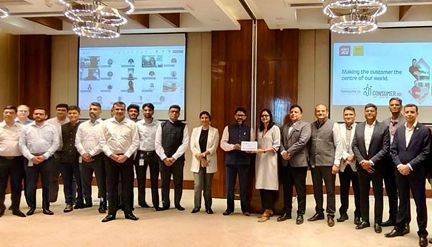
Businesses should respect the interests of and be responsive to all its stakeholders
We adopt a stakeholder-centric approach built on collaboration, trust, and long-term value creation. Our strong commitment to integrity and transparency enables us to build meaningful and enduring relationships with those we engage with and serve.
By embedding sustainability and social responsibility into our core strategy, and maintaining open and consistent dialogue, we ensure that our business objectives remain aligned with the evolving expectations of society, the environment, and our stakeholders—driving inclusive and sustainable growth.
UN SDGs


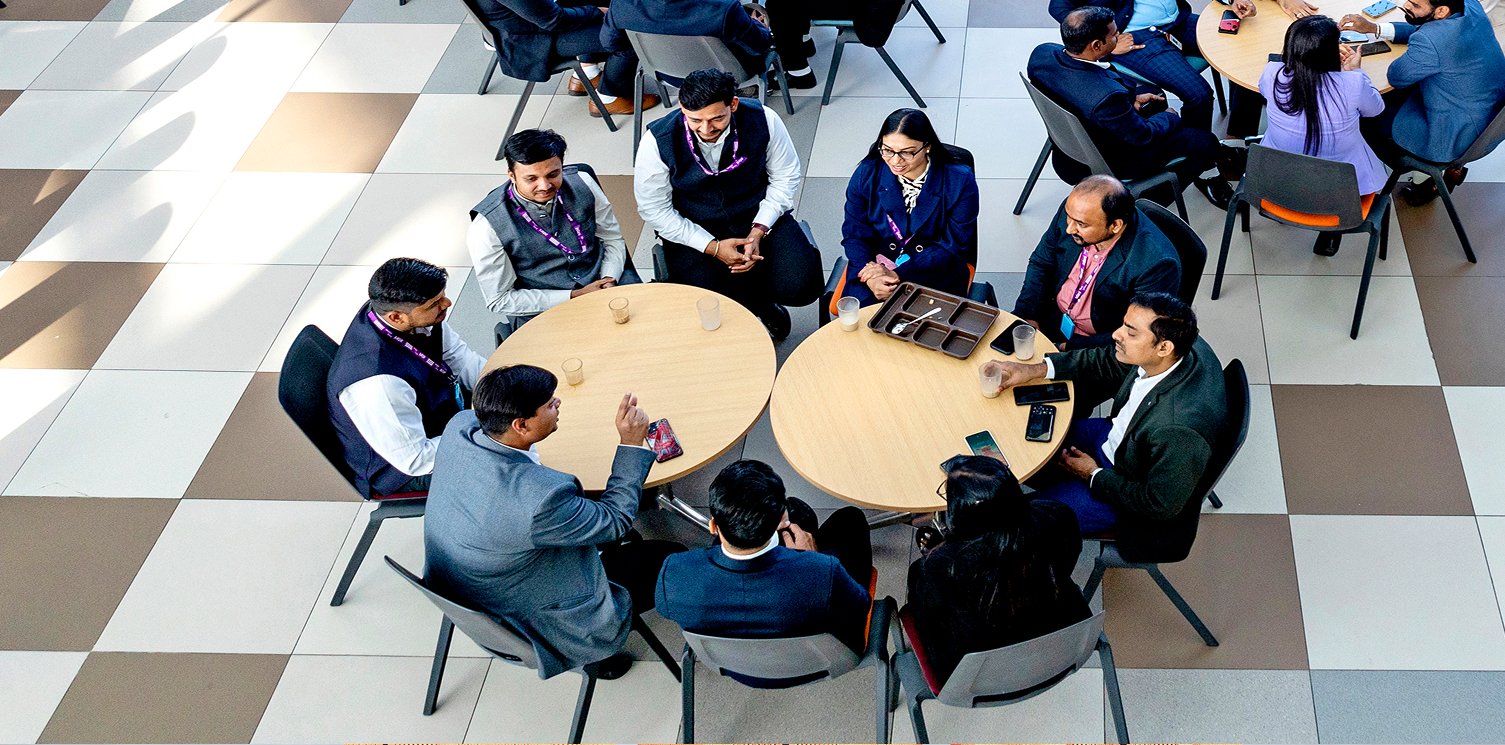
10 Categories of key stakeholders identified
44.66 Crore CSR Spent on community development
Stakeholder Engagement at regular intervals
Stakeholder Engagement Policy
Essential Indicators
The successful involvement of our stakeholders is essential to the achievement of our strategic goals because it provides us with the opportunity to understand their expectations, respond to their concerns, and assist us in prioritising the areas in which we should be concentrating our efforts. Our mechanism for engaging with stakeholders is governed by our Stakeholder Engagement Policy (https://www.acclimited.com/-/media/Project/ ACC-Limited/Investor/policies/updated-policy/1-Stakeholder_Engagement_Policy.ashx),
ACC Limited identifies its stakeholders as groups and individuals, who can influence or / are impacted by our operations / activities, change in technology, regulations, market and societal trends either directly or indirectly. Stakeholders comprise of communities, employees, supply chain partners, customers, investors, regulators, industrial organisations etc. Against each group, the potential ways in which stakeholders will be affected as well as the magnitude of both the actual and perceived impacts have been determined. This assists the company in developing a bespoke plan for engaging with stakeholders, which can then be kept up to date as and when is necessary. Throughout the course of the year, we maintain ongoing dialogue with the stakeholders by utilising a variety of channels of contact. The insights that we gain from these projects are tremendously helpful, because they allow us to continually enhance both our strategy and our operations. The process of engaging stakeholders also includes regular feedback and grievance redressal methods, both of which are vital components of the process.
| Stakeholder Group | Whether identified as Vulnerable & Marginalized Group (Yes/No) | Channels of communication (Email, SMS, Newspaper, Pamphlets, Advertisement, Community Meetings, Notice Board, Website), Other | Frequency of engagement (Annually/ Half yearly/ Quarterly/ others – please specify) | Purpose and scope of engagement including key topics and concerns raised during such engagement |
|---|---|---|---|---|
| Shareholders and Investors | No |
|
|
|
| Channel Partners | No |
|
|
|
| Government & Regulatory Authorities | No |
|
|
|
| Customers | Yes |
|
|
|
| Employees | Yes |
|
|
|
| Suppliers | Yes |
|
|
|
| Community | Yes |
|
|
|
| Media | No |
|
|
|
| Construction professionals | No |
|
|
|
| Industry Association | No |
|
|
|
Leadership Indicators
ACC Limited follows a structured framework to ensure that stakeholder perspectives on economic, environmental, and social topics are effectively integrated into Board-level decision-making. The Company engages continuously with a wide range of stakeholders, including employees, customers, suppliers, communities, regulators, investors, industry associations, and government authorities. Engagement methods include surveys, community consultations through the Adani Foundation, supplier and customer meets, investor meets etc. This process leads to mapping stakeholder expectations against business strategy and sustainability goals, updating material topics, ensuring alignment with the UN Sustainable Development Goals (UNSDGs) and ACC’s commitment to Net Zero by 2050.
The outcome of consultation is presented to senior management and subsequently to the Board (Stakeholders’ Relationship Committee), ensuring that stakeholder concerns are formally integrated into governance and decision-making. The Board Committee meets on a quarterly basis and monitors progress on stakeholdersrelated matters and provides strategic guidance.
This ensures that stakeholder perspectives are embedded in ACC’s strategic direction, policy decisions, and sustainability priorities.
Yes, ACC Limited actively uses stakeholder consultation to support the identification and management of environmental and social topics. The input from these consultations helps us to identify and prioritise Material Topics and update our policies on ESG. For instance:
- Stakeholder concerns about emissions and energy use have led ACC Limited to invest in renewable energy, expand Waste Heat Recovery Systems (WHRS), and increase the use of alternative fuels and raw materials.
- Community consultations highlighted water scarcity as a critical issue. ACC Limited responded by implementing watershed management programmes, rainwater harvesting, and water recycling initiatives across plants.
- Feedback from local communities guided CSR programmes in health, education, skill development, and livelihood enhancement, implemented through the Adani Foundation.
All stakeholder inputs and the resulting actions are presented to senior management and the Board. This ensures that stakeholder perspectives directly influence ACC Limited’s sustainability strategy, risk management, and long-term ESG commitments.
ACC Limited has always considered community as a critical stakeholder and focused on marginalised sections of the society especially in the core communities of the plant. The strategic plan for the programmes ensures inclusion of landless, small and marginal land holders, and backward communities. Women empowerment is an approach which cuts across all programme initiatives and targets specific number or percentage of women in programmes such as agriculture development, allied agriculture as well as skill-based livelihood activities. The regular quality monitoring is part of the project implementation and ensures feedback from across sections of society to improve programme planning.

General Disclosures
Management Process and Disclosures

Businesses should conduct and govern themselves with integrity, and in a manner that is Ethical, Transparent and Accountable

Businesses should provide goods and services in a manner that is sustainable and safe

Businesses should respect and promote the well-being of all employees, including those in their value chains

Businesses should respect and promote human rights

Businesses should respect and make efforts to protect and restore the environment

Businesses, when engaging in influencing public and regulatory policy, should do so in a manner that is responsible and transparent
Businesses should promote inclusive growth and equitable development