

Section B
Management Process and Disclosures
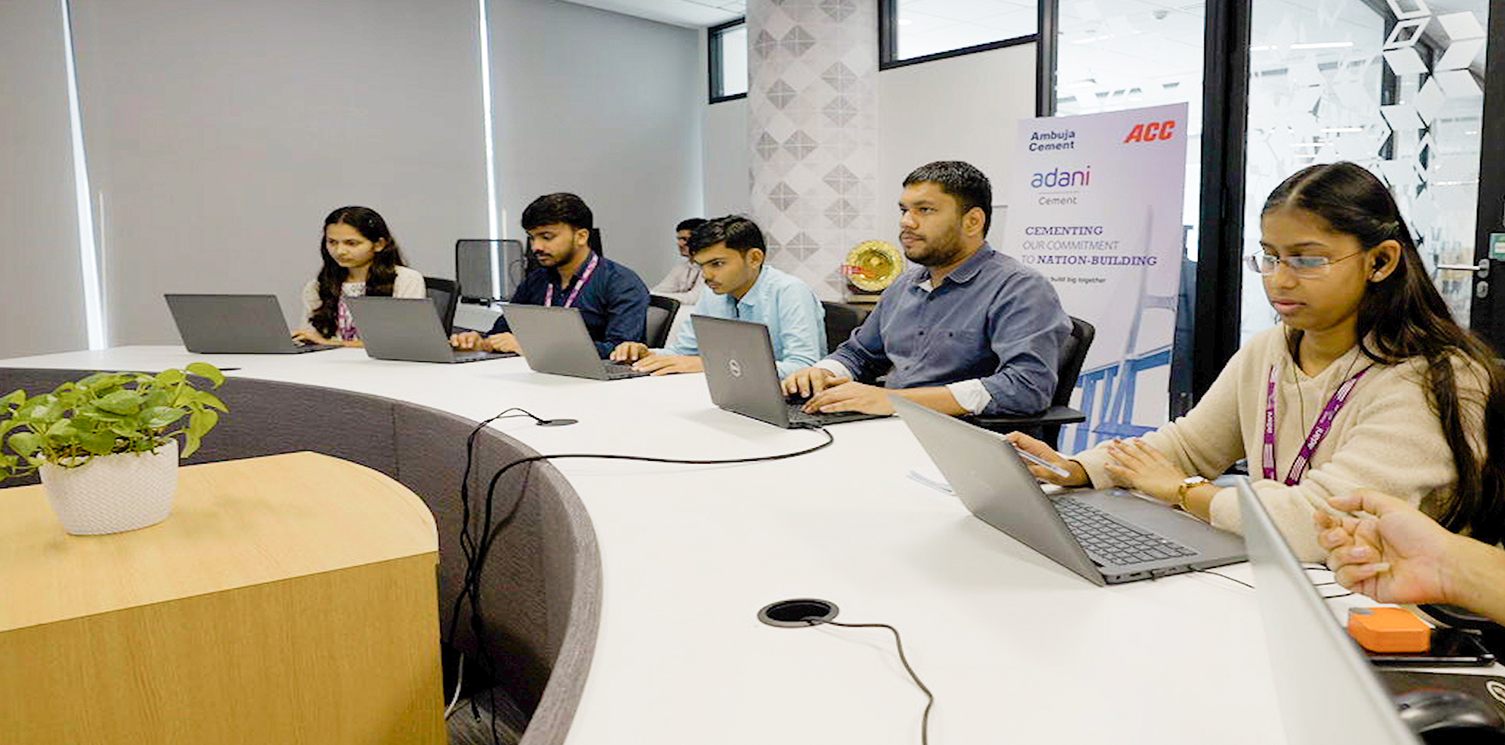
Sustainability is deeply integrated into our business ecosystem—shaping how we operate, innovate, and deliver value. Through responsible leadership, we enhance our operational efficiency, strengthen supply chains, and develop sustainable products. Supported by robust governance frameworks, we ensure that our practices remain ethical, transparent, and aligned with long-term stakeholder interests.

Corporate Responsibility Committee (CRC) at Board Level
100% Board Committees Chaired by Independent Directors
Detailed Policy Framework on ESG
Section B: Management and Process Disclosures
This section is aimed at helping businesses demonstrate the structures, policies and processes put in place towards adopting the NGRBC (National Guidelines on Responsible Business Conduct) Principles and Core Elements.
| Disclosure Questions | P1 | P2 | P3 | P4 | P5 | P6 | P7 | P8 | P9 | ||||||||||||||
|---|---|---|---|---|---|---|---|---|---|---|---|---|---|---|---|---|---|---|---|---|---|---|---|
| 1. | a. | Whether your entity’s policy/policies cover each principle and its core elements of the NGRBCs. (Yes/No) | Y | Y | Y | Y | Y | Y | Y | Y | Y | ||||||||||||
| b. | Has the policy been approved by the Board? (Yes/No) |
Y | Y | Y | Y | Y | Y | Y | Y | Y | |||||||||||||
| c. | Web Link of the Policies, if available | https://www.acclimited.com/investors/policies | |||||||||||||||||||||
| 2. | Whether the entity has translated the policy into procedures. (Yes/No) | Y | Y | Y | Y | Y | Y | Y | Y | Y | |||||||||||||
| 3. | Do the enlisted policies extend to your value chain partners? (Yes/No) | Yes, value chain partners are expected to comply the applicable policies of the company while executing any work for the company | |||||||||||||||||||||
| 4. | Name of the national and international codes / certifications /labels/standards (e.g. Forest Stewardship Council, Fairtrade, Rainforest Alliance, Trustea) standards (e.g. SA 8000, OHSAS, ISO, BIS) adopted by your entity and mapped to each principle. |
|
|||||||||||||||||||||
| 5. | Specific commitments, goals and targets set by the entity with defined timelines, if any. |
We have commitments, goals and targets set for 2030
|
|||||||||||||||||||||
| 6. | Performance of the entity against specific commitments, goals and targets along with reasons in case the same are not met. |
|
|||||||||||||||||||||
| Disclosure Questions | P1 | P2 | P3 | P4 | P5 | P6 | P7 | P8 | P9 | ||
|---|---|---|---|---|---|---|---|---|---|---|---|
| 7. | Statement by director responsible for the business responsibility report, highlighting ESG related challenges, targets and achievements (listed entity has flexibility regarding the placement of the disclosure. |
FY 2025-26 has been a pivotal year for ACC Limited
as we advance our ESG excellence journey with a
clear vision: to grow responsibly and achieve Net Zero
emissions by 2050. Sustainability remains central to our
business strategy, and we are committed to embedding
environmental stewardship, social responsibility, and
governance excellence across our operations. This year, we accelerated our renewable energy roadmap, achieving a 29.8 % green power share and taking decisive steps toward our 60% target by FY 2027-28. Investments in R&D and breakthrough technologies—such as electrified clinker production and carbon capture will help reduce fossil fuel dependency, optimise clinker factors, and lower carbon intensity across the value chain. Our circular economy leadership continues to set industry benchmarks. We used 11.57 million tonnes of waste-derived resources and achieved water positivity of 1.7x, with a clear path to surpass 5x. We also advanced plastic waste coprocessing, achieving plastic negativity 8 times, and planted 4.54 million trees till FY'26. Our CSR outreach is now 2.76 million people through healthcare, education, water management, skill development, and women empowerment—reinforcing our belief that sustainability creates shared value for communities and business alike. We have launched the ASCENT framework (Adani Cement Sustainable, Circular, Environmental & Net-Zero Transformation) to embed resilience across operations. Our ambitions remain bold: Net Zero by 2050, 60% green power by FY28, water positivity beyond 5x, and continued leadership in circularity. Guided by the RESQ pillars—Reliability, Environment, Safety, and Quality— and strengthened by digital intelligence and cultural transformation, ACC Limited is committed to shaping a greener and more inclusive future. |
|||||||||
| 8. | Details of the highest authority responsible for implementation and oversight of the Business Responsibility policies. | CEO and Whole Time Director | |||||||||
| 9. | Does the entity have a specified Committee of the Board/ Director responsible for decision making on sustainability related issues? (Yes / No). If yes, provide details. | Yes. There is a dedicated Board Committee known as ‘Corporate Responsibility Committee’ (CRC), consisting of Independent Directors. This committee is responsible for overseeing sustainability-related performance and apprise the Board. The committee meets every quarter, overseas the strategy and performance on KPIs defined and guides the business to improve it. | |||||||||
| Subject for Review | Indicate whether review was undertaken by Director/Committee of the Board/Any other Committee |
Frequency (Annually/Half yearly/ Quarterly/Any other – please specify) |
||||||||||||||||
|---|---|---|---|---|---|---|---|---|---|---|---|---|---|---|---|---|---|---|
| P1 | P2 | P3 | P4 | P5 | P6 | P7 | P8 | P9 | P1 | P2 | P3 | P4 | P5 | P6 | P7 | P8 | P9 | |
| Performance against above policies and follow up action |
Corporate Responsibility Committee periodically reviews policies and updates are made if required. Performance is monitored every quarter |
Quarterly and then annually at a consolidated level |
||||||||||||||||
| Compliance with statutory requirements of relevance to the principles, and rectification of any non-compliances | The Company is Compliant with relevant principles, applicable rules and regulations. Compliance to the regulatory requirement is reviewed on regular basis and as per the requirement. | |||||||||||||||||
| P1 | P2 | P3 | P4 | P5 | P6 | P7 | P8 | P9 |
|---|---|---|---|---|---|---|---|---|
| Yes. Internal Controls and Processes are put in place, and its assessment and monitoring are being done by an external agency | ||||||||
| Questions | P1 | P2 | P3 | P4 | P5 | P6 | P7 | P8 | P9 |
|---|---|---|---|---|---|---|---|---|---|
| The entity does not consider the principles material to its business (Yes/No) | NA | ||||||||
| The entity is not at a stage where it is in a position to formulate and implement the policies on specified principles (Yes/No) | |||||||||
| The entity does not have the financial or/human and technical resources available for the task (Yes/No) | |||||||||
| It is planned to be done in the next financial year (Yes/No) | |||||||||
| Any other reason (please specify) | |||||||||
Explore More
Section B
Management Process and Disclosures
Read More
Read More
Principle 1

Businesses should conduct and govern themselves with integrity, and in a manner that is Ethical, Transparent and Accountable
Read More
Read More
Principle 2

Businesses should provide goods and services in a manner that is sustainable and safe
Read More
Read More
Principle 3

Businesses should respect and promote the well-being of all employees, including those in their value chains
Read More
Read More
Principle 4

Businesses should respect the interests of and be responsive to all its stakeholders
Read More
Read More
Principle 5

Businesses should respect and promote human rights
Read More
Read More
Principle 6

Businesses should respect and make efforts to protect and restore the environment
Read More
Read More
Principle 7

Businesses, when engaging in influencing public and regulatory policy, should do so in a manner that is responsible and transparent
Read More
Read More
Principle 8
Businesses should promote inclusive growth and equitable development
Read More
Read More
Principle 9
Businesses should engage with and provide value to their consumers in a responsible manner
Read More
Read More